Downy Hawthorn: A Native Treasure for Your Garden
If you’re looking for a native plant that delivers both beauty and wildlife value, let me introduce you to the downy hawthorn (Crataegus mollis). This charming North American native might just become your new favorite addition to the landscape, especially if you love plants that work hard for their space in the garden.
What Makes Downy Hawthorn Special?
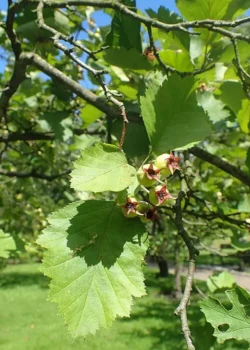
The downy hawthorn gets its common name from the soft, fuzzy underside of its leaves – run your fingers along the back of a leaf and you’ll feel that distinctive downy texture. But don’t let this gentle characteristic fool you; this is one tough plant that’s been thriving across North America for centuries.
This perennial shrub typically grows as a multi-stemmed woody plant, usually staying under 13-16 feet tall, though it can occasionally reach greater heights or develop a single trunk depending on growing conditions. Its manageable size makes it perfect for most residential landscapes.
Where Does Downy Hawthorn Call Home?
As a true North American native, downy hawthorn has an impressive natural range. You’ll find it growing wild from southeastern Canada down to Georgia and westward across the Great Plains. Specifically, it’s native to Alabama, Arkansas, Nova Scotia, Ontario, Connecticut, Quebec, Georgia, Illinois, Indiana, Iowa, Kansas, Kentucky, Louisiana, Maine, Maryland, Massachusetts, Michigan, Minnesota, Mississippi, Missouri, Nebraska, New Hampshire, New Jersey, New York, North Dakota, Ohio, Oklahoma, Pennsylvania, South Dakota, Tennessee, Texas, Vermont, Virginia, West Virginia, and Wisconsin.
- Species observed
- No observations
A Year-Round Beauty
What I love most about downy hawthorn is its multi-season appeal. In late spring, the shrub bursts into bloom with clusters of white flowers that practically buzz with pollinator activity. Bees, flies, and other beneficial insects can’t resist these nectar-rich blooms, making your garden a hub of activity.
Come fall, those flowers transform into large, red pome fruits that not only look stunning but also provide food for wildlife. The autumn show continues with the foliage, which shifts from green to beautiful shades of yellow and orange-red before dropping for winter.
Perfect Spots for Planting
Downy hawthorn is wonderfully versatile when it comes to garden roles. Here are some ways to incorporate it into your landscape:
- As a specimen plant in naturalistic gardens
- In wildlife-focused landscapes where you want to support local fauna
- Along woodland edges for a natural transition
- As part of informal hedgerows or privacy screens
- In prairie border plantings
Growing Conditions and Care
One of the best things about downy hawthorn is how adaptable it is. This plant thrives in USDA hardiness zones 3-8, so it can handle quite a range of climatic conditions.
When it comes to soil, downy hawthorn isn’t picky. It tolerates various soil types, including clay and alkaline soils that challenge other plants. For best results, choose a spot with full sun to partial shade – though it’ll be happiest with at least 6 hours of direct sunlight daily.
Once established, this tough native is quite drought tolerant, making it an excellent choice for low-maintenance landscapes.
Wetland Flexibility
Here’s something interesting about downy hawthorn: it’s incredibly flexible when it comes to moisture levels. Depending on your region, it can handle both wetland and non-wetland conditions. In some areas like the Eastern Mountains and Piedmont, it typically prefers non-wetland sites but can adapt to wetter conditions when needed.
Planting and Care Tips
Getting your downy hawthorn off to a good start is straightforward:
- Plant in spring or fall for best establishment
- Water regularly during the first year, then let nature take over
- Minimal maintenance required once established
- Light pruning in late winter can help maintain shape if desired
- Watch for fire blight in humid conditions, though this isn’t usually a major issue
Supporting Local Wildlife
By choosing downy hawthorn, you’re not just adding beauty to your landscape – you’re creating habitat. The spring flowers support pollinators during a crucial time of year, while the fall fruits provide food for birds and other wildlife. It’s like installing a natural buffet right in your backyard.
Is Downy Hawthorn Right for You?
If you’re drawn to native plants that offer multiple seasons of interest, support local wildlife, and don’t demand constant attention, downy hawthorn could be perfect for your garden. It’s especially ideal for gardeners who want to create naturalistic landscapes or support local ecosystems.
Just remember that this is a plant that likes to have some space to spread its multi-stemmed form, so plan accordingly. With its combination of spring flowers, fall color, wildlife value, and easy-going nature, downy hawthorn proves that native plants can be both beautiful and beneficial – exactly what every garden needs.