Downy Rattlesnake Plantain: A Charming Native Orchid for Woodland Gardens
If you’ve ever wandered through a shady forest and spotted what looks like a cluster of beautifully patterned leaves hugging the ground, you might have encountered the delightful downy rattlesnake plantain (Goodyera pubescens). Don’t worry – despite its somewhat alarming name, this charming little plant has nothing to do with snakes or plantains! It’s actually a native orchid that brings subtle elegance to woodland gardens across much of North America.
What Makes Downy Rattlesnake Plantain Special?
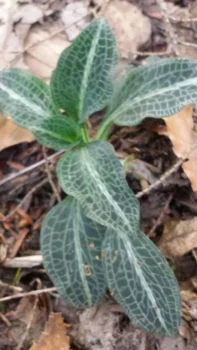
This perennial forb is a true showstopper in the foliage department. The downy rattlesnake plantain forms attractive basal rosettes of dark green leaves decorated with distinctive white veining that creates an almost quilted appearance. In summer, it sends up delicate spikes of small, creamy-white orchid flowers that add a touch of woodland magic to shaded spaces.
As a member of the orchid family, this plant brings something truly special to native plant gardens. While it may not have the flashy blooms of tropical orchids, its understated beauty and fascinating leaf patterns make it a conversation starter that’s perfectly at home in North American landscapes.
Where Does It Call Home?
Downy rattlesnake plantain is wonderfully widespread across eastern North America. You’ll find this native beauty thriving naturally from southeastern Canada down through the eastern United States, reaching as far south as northern Florida and stretching west to Minnesota and eastern Oklahoma. It grows in states including Alabama, Arkansas, Connecticut, Delaware, Florida, Georgia, Illinois, Indiana, Iowa, Kentucky, Maine, Maryland, Massachusetts, Michigan, Minnesota, Mississippi, Missouri, New Hampshire, New Jersey, New York, North Carolina, Ohio, Oklahoma, Pennsylvania, Rhode Island, South Carolina, Tennessee, Vermont, Virginia, West Virginia, and Wisconsin, plus several Canadian provinces.
- Species observed
- No observations
Perfect for Woodland and Shade Gardens
If you’re designing a woodland garden or looking for interesting groundcover for shady spots, downy rattlesnake plantain could be your new best friend. This low-growing plant works beautifully as:
- Accent plantings in native woodland gardens
- Groundcover in shaded areas where grass struggles
- Companion plants for ferns, wild ginger, and other shade lovers
- Features in naturalized landscape designs
The plant thrives in USDA hardiness zones 3-8, making it suitable for a wide range of climates across its native range.
Growing Conditions: What This Woodland Beauty Needs
Here’s where things get interesting – downy rattlesnake plantain has some specific preferences that reflect its woodland origins:
- Light: Shade to partial shade (think forest floor conditions)
- Soil: Moist but well-draining soil with plenty of organic matter
- pH: Prefers slightly acidic conditions
- Moisture: Consistent moisture without waterlogging
The plant’s wetland status varies by region – it’s typically found in upland areas but can occasionally tolerate wetter conditions in some parts of its range, particularly in the Midwest where it has a more flexible moisture tolerance.
The Challenge: Why This Isn’t Your Average Garden Plant
Let’s be honest – downy rattlesnake plantain isn’t the easiest plant to establish in the garden. Like many native orchids, it has a special relationship with soil fungi (mycorrhizae) that helps it absorb nutrients. This makes it notoriously difficult to transplant from the wild, and it can be finicky about establishing in new locations.
However, don’t let this discourage you! With patience and the right conditions, it can be successfully grown. The key is purchasing plants from reputable native plant nurseries rather than attempting to dig them from the wild (which is often illegal and rarely successful anyway).
Planting and Care Tips for Success
- Source responsibly: Always buy from reputable native plant suppliers
- Prepare the site: Create woodland-like conditions with rich, organic soil
- Plant gently: Disturb the root system as little as possible
- Mulch lightly: Use leaf mold or shredded leaves to mimic forest floor conditions
- Be patient: Allow time for the plant to establish its fungal partnerships
- Avoid fertilizers: This plant prefers natural, organic nutrition
Wildlife and Pollinator Benefits
While downy rattlesnake plantain may be subtle, it pulls its weight in supporting local ecosystems. The summer flowers attract small pollinators including native bees and other beneficial insects. The plant also provides habitat and cover for small woodland creatures, contributing to the overall biodiversity of natural and naturalized garden spaces.
Is Downy Rattlesnake Plantain Right for Your Garden?
This native orchid is perfect for gardeners who:
- Love unique, textural foliage plants
- Are creating woodland or naturalized gardens
- Want to support native plant communities
- Enjoy the challenge of growing something special
- Have patience for plants that take time to establish
While it may not be the right choice for formal gardens or high-maintenance landscapes, downy rattlesnake plantain offers something truly special for those willing to work with its woodland nature. Its distinctive patterned leaves and delicate summer flowers bring a touch of native elegance that’s hard to replicate with non-native alternatives.
If you’re ready for a gardening adventure and have the right shady, woodland conditions, downy rattlesnake plantain might just become one of your most treasured native plants!