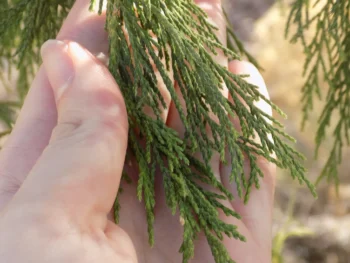
Drooping Juniper: The Graceful Native Tree That Defies Expectations
If you’re tired of the same old stiff, upright junipers dotting every suburban landscape, let me introduce you to a native beauty that dares to be different. The drooping juniper (Juniperus flaccida) is like the free spirit of the juniper world – instead of standing at attention, it lets its branches cascade and sway with an almost weeping grace that’s absolutely mesmerizing.
What Makes Drooping Juniper Special?
This perennial evergreen tree is a true native of the American Southwest, calling Texas and parts of the broader region home. Unlike its more rigid cousins, the drooping juniper lives up to its name with branches that hang in elegant, pendulous curtains. It’s a slow-growing tree that typically reaches 13-16 feet in height, though under perfect conditions, it can grow even taller with its characteristic single trunk.
The drooping juniper grows naturally in Texas, where it has adapted perfectly to the challenging conditions of rocky slopes and arid environments.
- Species observed
- No observations
Why Your Garden Needs This Native Beauty
Here’s where the drooping juniper really shines – it’s the perfect choice for gardeners who want something uniquely beautiful without the high maintenance headaches. This native tree offers several compelling reasons to earn a spot in your landscape:
- Drought champion: Once established, it laughs in the face of dry conditions
- Unique texture: Those drooping branches create incredible visual interest and movement
- Native credentials: Supporting local ecosystems while reducing water needs
- Low maintenance: Thrives on neglect once it’s settled in
- Year-round beauty: Evergreen foliage provides consistent structure
Perfect Garden Situations
The drooping juniper isn’t for every garden situation, but when it fits, it’s absolutely perfect. This tree excels in:
- Xeriscaping and drought-tolerant landscapes
- Rocky or sloped areas where other trees struggle
- Mediterranean-style gardens
- As a specimen tree where its unique form can be appreciated
- Desert and southwestern-themed landscapes
Growing Conditions That Make It Happy
The secret to drooping juniper success is surprisingly simple – think less is more. This tree thrives in USDA hardiness zones 7-10 and has some very specific preferences:
- Sunlight: Full sun is essential for healthy growth
- Soil: Well-draining soil is absolutely critical – soggy feet will kill it
- Water: Drought-tolerant once established, but needs regular water the first year
- Climate: Prefers arid to semi-arid conditions
Planting and Care Tips for Success
Getting your drooping juniper off to the right start is crucial for long-term success. Here’s your roadmap:
Planting: Choose your location carefully – this tree doesn’t like to be moved once established. Ensure the planting site has excellent drainage and full sun exposure. Plant at the same depth it was growing in the container.
First Year Care: Water regularly but don’t overdo it. The soil should dry out between waterings. Think deep and infrequent rather than little and often.
Long-term Care: Once established (usually after the first growing season), your drooping juniper becomes remarkably self-sufficient. Minimal pruning is needed – just remove any dead or damaged branches. Avoid heavy pruning as it can destroy the tree’s natural drooping character.
Wildlife and Ecosystem Benefits
While drooping juniper isn’t a major pollinator magnet (it’s wind-pollinated like most conifers), it does provide valuable habitat structure for birds and small wildlife. The dense, evergreen foliage offers year-round shelter, and the berries (actually small cones) can provide food for various bird species.
Is Drooping Juniper Right for You?
This native beauty isn’t for everyone, but if you’re dealing with dry conditions, poor soils, or simply want something uniquely graceful in your landscape, the drooping juniper could be your perfect match. It’s especially valuable for gardeners in its native range who want to support local ecosystems while creating a striking, low-maintenance landscape feature.
Just remember – patience is key with this slow-growing native. But trust me, the wait is worth it when you see those graceful, drooping branches swaying in the breeze, bringing movement and elegance to your garden in a way no other tree quite can.