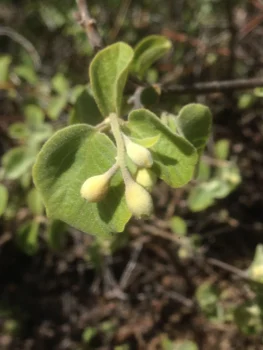
Drug Snowbell: A Rare California Native Worth Growing Responsibly
If you’re looking for a unique native shrub that brings both beauty and ecological value to your California garden, drug snowbell might just be the perfect addition. This charming native, known botanically as Styrax redivivus, offers delicate white flowers, lovely fall color, and important habitat for local wildlife. However, there’s an important catch every gardener should know about before adding this beauty to their landscape.
What Makes Drug Snowbell Special
Drug snowbell is a perennial shrub that typically grows as a multi-stemmed woody plant, usually staying under 13-16 feet in height. During late spring and early summer, this lovely native produces clusters of small, white, bell-shaped flowers that fill the air with a sweet fragrance. The oval leaves provide a pleasant backdrop during the growing season and transform into golden yellow hues come fall, adding seasonal interest to your garden.
A True California Native
This shrub is endemic to California, making it a true Golden State original. You’ll find drug snowbell naturally growing in the chaparral and oak woodland communities scattered throughout the Coast Ranges and Sierra Nevada foothills. Its native status means it’s perfectly adapted to California’s unique climate and soil conditions.
- Species observed
- No observations
Important Rarity Considerations
Here’s where things get serious: drug snowbell has a Global Conservation Status of S2S3, which means it’s considered rare to uncommon in the wild. This conservation status is a red flag for responsible gardeners. While we absolutely encourage growing native plants, it’s crucial that you only plant drug snowbell if you can source it from reputable nurseries that propagate their plants rather than collecting from wild populations.
Garden Design and Landscape Role
When responsibly sourced, drug snowbell makes an excellent specimen shrub for native gardens, drought-tolerant landscapes, and Mediterranean-style gardens. Its moderate size and attractive form work beautifully as:
- A focal point in small native plant groupings
- Part of a mixed shrub border
- An understory plant in oak woodland recreations
- A wildlife habitat component
Wildlife and Pollinator Benefits
The fragrant white flowers of drug snowbell are magnets for California’s native bees, butterflies, and other pollinators. By growing this shrub, you’re providing crucial nectar resources during its blooming period and supporting the complex web of relationships that keep our native ecosystems healthy.
Growing Conditions and Care
Drug snowbell thrives in USDA hardiness zones 8-10, making it suitable for most of California’s populated areas. This adaptable native prefers:
- Well-draining soils (it won’t tolerate soggy conditions)
- Partial shade to full sun exposure
- Minimal supplemental water once established
- Protection from harsh, drying winds
Planting and Care Tips
Fall is the ideal time to plant drug snowbell, giving it a full winter and spring to establish before facing its first summer drought. During the first year, provide occasional deep watering to help the root system develop, but avoid overwatering. Once established, this drought-tolerant native will thrive with minimal intervention.
Pruning is rarely necessary, but if needed, do any shaping immediately after flowering to avoid removing next year’s flower buds. The natural branching structure is part of its charm, so resist the urge to over-prune.
The Bottom Line
Drug snowbell is a wonderful native shrub that deserves a place in California gardens, but only when grown responsibly. Its rarity means we must be extra careful about sourcing – never collect from the wild, and always purchase from nurseries that can verify their plants are nursery-propagated. When you do find responsibly sourced plants, you’ll be rewarded with a beautiful, low-maintenance shrub that supports local wildlife while adding unique character to your landscape.
Remember: growing rare natives isn’t just about having something special in your garden – it’s about being a steward of California’s precious natural heritage.