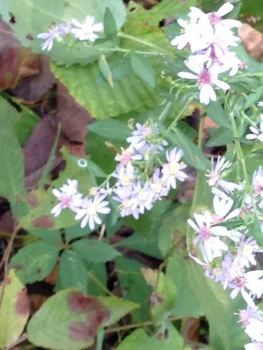
Drummond’s Aster: A Prairie Beauty for Your Native Garden
If you’re looking to add some late-season color to your garden while supporting local wildlife, Drummond’s aster (Symphyotrichum drummondii var. drummondii) might just be your new best friend. This charming native perennial brings a splash of purple to the landscape right when many other flowers are calling it quits for the year.
Meet Drummond’s Aster
Drummond’s aster is a true American native, naturally occurring across a wide swath of the central and eastern United States. You might also encounter this plant in older gardening references under its former scientific names, including Aster drummondii. As a member of the forb family, it’s essentially an herbaceous perennial without woody stems – think of it as the garden equivalent of a reliable friend who shows up every year without much fuss.
Where Does It Call Home?
This adaptable aster has quite the geographic range, naturally growing across twenty states including Alabama, Arkansas, Illinois, Indiana, Iowa, Kansas, Kentucky, Louisiana, Maryland, Michigan, Minnesota, Mississippi, Missouri, Nebraska, Ohio, Oklahoma, Pennsylvania, Tennessee, West Virginia, and Wisconsin. That’s impressive coverage for a single plant variety!
- Species observed
- No observations
Why You’ll Want This Aster in Your Garden
Drummond’s aster isn’t just another pretty face – it’s a hardworking addition to any native plant garden. Here’s what makes it special:
- Late-season blooms provide crucial nectar when many other flowers have finished
- Purple to violet daisy-like flowers with bright yellow centers create eye-catching displays
- Attracts butterflies, native bees, and other important pollinators
- Extremely low maintenance once established
- Drought tolerant and adaptable to various growing conditions
Perfect Spots for Planting
This aster thrives in naturalized settings and prairie-style gardens. It’s an excellent choice for:
- Native plant gardens and prairie restorations
- Informal landscape areas where you want a natural look
- Pollinator gardens focused on supporting local wildlife
- Areas where you want color without constant maintenance
Growing Drummond’s Aster Successfully
The beauty of native plants like Drummond’s aster is that they’re already adapted to local conditions, making them relatively easy to grow. Here’s what you need to know:
Ideal Growing Conditions
- Sunlight: Full sun is best, though it can tolerate some partial shade
- Soil: Adaptable to various soil types; doesn’t require rich, amended soil
- Water: Drought tolerant once established; minimal watering needed
- Climate: Hardy in USDA zones 4-8
Planting and Care Tips
Getting started with Drummond’s aster is refreshingly straightforward:
- Plant in spring after the last frost date
- Space plants adequately as they may spread via underground rhizomes
- Water regularly the first season to help establish roots
- Cut back in late winter before new growth emerges
- Divide every few years if the clump becomes too large
A Few Things to Keep in Mind
Like many asters, Drummond’s aster can spread naturally through underground stems, so give it room to roam or be prepared to divide it occasionally. This spreading habit makes it excellent for naturalizing large areas, but you might want to keep an eye on it in smaller, formal garden spaces.
The Bottom Line
Drummond’s aster is one of those wonderful native plants that asks for little but gives back so much. Its late-season purple blooms are a gift to both gardeners seeking fall color and pollinators preparing for winter. If you’re looking to create a more sustainable, wildlife-friendly landscape while reducing maintenance, this adaptable native deserves a spot in your garden planning.
Whether you’re restoring a prairie, creating a pollinator haven, or simply want to try growing more native plants, Drummond’s aster offers beauty, ecological benefits, and the satisfaction of growing something truly rooted in the American landscape.