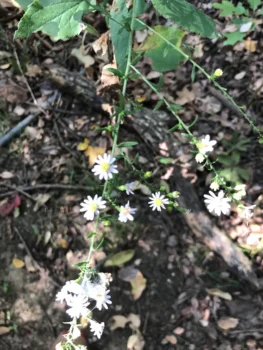
Drummond’s Aster: A Late-Season Native Gem for Your Garden
If you’re looking for a native wildflower that brings delicate beauty to your garden just when many other plants are calling it quits for the season, meet Drummond’s aster (Symphyotrichum drummondii var. texanum). This charming perennial forb might not be the showiest plant in your garden, but it’s definitely one of the most reliable and ecologically valuable additions you can make.
What Makes Drummond’s Aster Special?
Drummond’s aster is a true native of the south-central United States, naturally occurring across Alabama, Arkansas, Kansas, Kentucky, Louisiana, Mississippi, Missouri, Oklahoma, and Texas. As a perennial forb—basically a non-woody flowering plant—it returns year after year with minimal fuss, making it a gardener’s dream for low-maintenance landscaping.
- Species observed
- No observations
This aster variety has quite the identity crisis when it comes to names! Botanists have shuffled it around over the years, and you might find it listed under several synonyms including Aster drummondii, Aster texanus, and various other combinations. But don’t let the naming confusion fool you—this is one steadfast, dependable plant.
Garden Appeal and Landscape Role
Drummond’s aster shines in late summer and fall when it produces clouds of small, white to pale lavender daisy-like flowers. While each individual bloom might be modest in size, the collective effect is simply magical—like tiny stars scattered across your garden when everything else is winding down for winter.
This plant is perfect for:
- Native plant gardens and prairie restorations
- Naturalistic landscaping
- Pollinator gardens
- Wildflower meadows
- Low-maintenance border plantings
Growing Drummond’s Aster Successfully
One of the best things about Drummond’s aster is how easy-going it is. This plant thrives in USDA hardiness zones 6-9, making it suitable for a wide range of climates across its native range and beyond.
Ideal Growing Conditions
- Light: Full sun for best flowering
- Soil: Well-drained soils; adaptable to various soil types
- Water: Drought tolerant once established; minimal watering needed
- Maintenance: Cut back in late winter; otherwise, very low maintenance
Planting and Care Tips
Getting started with Drummond’s aster is refreshingly simple. Plant it in spring after the last frost, give it full sun exposure, and make sure the soil drains well. Once established, this tough little native can handle drought conditions like a champ.
The plant may self-seed, which is generally a good thing if you want to naturalize an area. However, if you prefer more control over where it spreads, simply deadhead the flowers before they go to seed.
Wildlife and Pollinator Benefits
Here’s where Drummond’s aster really earns its keep in the garden ecosystem. Those late-season blooms are absolute magnets for pollinators when many other food sources are becoming scarce. Native bees, butterflies, and other beneficial insects rely on plants like this to fuel up before winter or migration.
The timing couldn’t be more perfect—just when monarchs and other butterflies are preparing for their epic journeys, Drummond’s aster provides the nectar they desperately need.
A Word About Conservation
While Drummond’s aster isn’t currently listed as endangered, its conservation status suggests it’s worth protecting and propagating responsibly. When sourcing plants or seeds, choose reputable native plant nurseries that don’t collect from wild populations. By growing this species in your garden, you’re actually helping to preserve genetic diversity and provide habitat connectivity for wildlife.
Is Drummond’s Aster Right for Your Garden?
If you’re creating a low-maintenance, wildlife-friendly garden with native plants, Drummond’s aster is definitely worth considering. It won’t give you the bold, in-your-face drama of some garden favorites, but it will provide steady, reliable beauty and ecological value year after year.
This plant is particularly perfect for gardeners who want to support local ecosystems, enjoy late-season interest in their landscapes, and appreciate the subtle beauty of native wildflowers. Plus, once you plant it, you can pretty much forget about it—and that’s the kind of gardening success we can all celebrate!