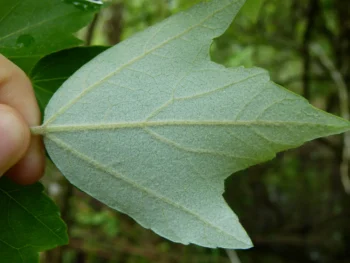
Drummond’s Maple: A Southern Native Perfect for Wet Spots
If you’ve been searching for a native tree that thrives in those soggy areas of your yard where other plants fear to tread, let me introduce you to Drummond’s maple (Acer rubrum var. drummondii). This southeastern beauty is like that friend who loves puddle jumping – it actually gets excited about wet feet!
What Exactly Is Drummond’s Maple?
Drummond’s maple is a variety of the beloved red maple, specifically adapted to the wetter conditions of the southeastern United States. Botanically known as Acer rubrum var. drummondii, this perennial woody tree can grow to impressive heights of 13 to 16 feet or more, developing a strong single trunk that makes it a true statement piece in any landscape.
You might also see this tree referenced by its scientific synonyms, including Acer drummondii or Rufacer drummondii, but don’t let the fancy names intimidate you – this is simply a regional champion that knows how to make itself at home in southern gardens.
Where Does This Tree Call Home?
Drummond’s maple is native to a impressive swath of the southeastern United States, naturally occurring in Alabama, Arkansas, Delaware, Florida, Georgia, Illinois, Indiana, Kentucky, Louisiana, Mississippi, Missouri, New Jersey, North Carolina, Oklahoma, South Carolina, Tennessee, Texas, and Virginia. That’s quite the neighborhood!
- Species observed
- No observations
This extensive native range tells us something important: this tree has spent centuries perfecting the art of thriving in southern conditions, making it an excellent choice for gardeners who want to work with nature rather than against it.
Why Your Garden Will Love Drummond’s Maple
Here’s where things get exciting for us gardeners. Drummond’s maple isn’t just another pretty face – it’s a hardworking member of the landscape team. This tree shines brightest in USDA hardiness zones 6 through 9, making it perfect for most southern gardens.
What really sets this maple apart is its love affair with moisture. While many trees throw tantrums in wet conditions, Drummond’s maple practically does a happy dance. It’s ideally suited for:
- Rain gardens and bioswales
- Areas with poor drainage
- Naturalized woodland settings
- Native plant gardens
- Spots that flood occasionally
Beauty That Changes with the Seasons
Let’s talk about the eye candy factor. Drummond’s maple puts on quite the show throughout the year. In early spring, before most trees have even thought about leafing out, this beauty produces clusters of small red flowers that practically glow against bare branches. These early blooms are like a welcome mat for hungry pollinators emerging from winter.
Come fall, prepare to be dazzled. The foliage transforms into brilliant shades of red that can stop traffic – or at least stop your neighbors in their tracks as they admire your gardening prowess.
A Pollinator’s Best Friend
Speaking of pollinators, Drummond’s maple is like an all-you-can-eat buffet for early spring bees. When most flowers are still sleeping, these red maple blooms provide crucial nectar and pollen for bees, flies, and other beneficial insects. It’s this kind of ecological teamwork that makes native plants so valuable in our landscapes.
Growing Your Own Drummond’s Maple
The best part about Drummond’s maple? It’s refreshingly low-maintenance once established. Here’s how to set yours up for success:
Location, Location, Location
Choose a spot that gets full sun to partial shade. This tree is flexible about light conditions, but it’s absolutely rigid about one thing: it wants consistent moisture. Think of those naturally damp areas in your yard that make you worry about other plants – those are perfect spots for Drummond’s maple.
Planting Tips
Plant your maple in consistently moist soil, and don’t be afraid if the area occasionally floods. This tree actually appreciates the extra water! Dig a hole twice as wide as the root ball but no deeper, and backfill with native soil.
Care and Maintenance
Once established, Drummond’s maple is remarkably self-sufficient. Apply a thick layer of organic mulch around the base to retain moisture and suppress weeds. Pruning is minimal – just remove any dead, damaged, or crossing branches in late winter.
The Bottom Line
Drummond’s maple is one of those rare plants that solves problems while looking gorgeous. Got a wet spot that’s been driving you crazy? Plant a Drummond’s maple. Want to support native wildlife? This tree has you covered. Looking for something that provides year-round interest without demanding constant attention? You’ve found your match.
In a world full of high-maintenance landscape divas, Drummond’s maple is the reliable friend who shows up exactly when you need them, looks great doing it, and never complains about getting their feet wet. Now that’s the kind of tree every southern garden deserves.