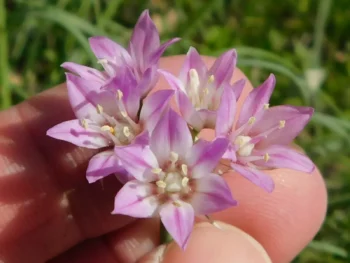
Drummond’s Onion: A Rare Prairie Gem for Your Native Garden
If you’re looking to add a touch of Great Plains charm to your garden while supporting native wildlife, Drummond’s onion (Allium drummondii) might just be the perfect addition. This delightful native wildflower brings both beauty and ecological value to any landscape, though there’s an important conservation consideration we’ll discuss.
What is Drummond’s Onion?
Drummond’s onion is a perennial forb native to the American Great Plains and Southwest. Unlike its culinary cousins, this wild allium is all about ornamental appeal and wildlife support. As a herbaceous perennial, it lacks woody stems and dies back to underground bulbs each winter, emerging fresh each spring to bloom again.
You might occasionally see this plant listed under its scientific synonyms Allium helleri or Allium nuttallii in older references, but Allium drummondii is the accepted name today.
Where Does Drummond’s Onion Grow Naturally?
This prairie native calls home a swath of the central United States, naturally occurring in Arkansas, Kansas, Nebraska, New Mexico, Oklahoma, South Dakota, and Texas. It’s perfectly adapted to the challenging conditions of the Great Plains, from hot summers to cold winters and everything in between.
- Species observed
- No observations
Important Conservation Note
Before we dive into growing tips, here’s something crucial: Drummond’s onion has a rarity status of S1 (critically imperiled) in Arkansas, meaning it’s at high risk of extinction in that state. If you’re interested in growing this species, please only source bulbs or seeds from reputable native plant nurseries that propagate their own stock rather than collecting from wild populations.
Why Grow Drummond’s Onion?
There are several compelling reasons to consider adding this native beauty to your landscape:
- Pollinator magnet: The clusters of pink to purple flowers are irresistible to native bees, butterflies, and other beneficial insects
- Low maintenance: Once established, it’s extremely drought tolerant and requires minimal care
- Prairie authenticity: Perfect for prairie restorations and native plant gardens
- Unique beauty: Delicate flowers on slender stems add texture and interest to naturalized areas
- Wildlife support: Supports native pollinators that have co-evolved with this plant
Garden Design and Landscape Role
Drummond’s onion shines brightest in naturalized settings where it can mimic its prairie origins. It’s ideal for:
- Prairie gardens and wildflower meadows
- Xeriscaping and drought-tolerant landscapes
- Native plant collections
- Pollinator gardens
- Restoration projects
At 6-18 inches tall, it works beautifully as a mid-layer plant, complementing taller prairie grasses and shorter ground covers.
Growing Conditions and Care
One of the best things about Drummond’s onion is how easy it is to please, as long as you match its natural preferences:
Sunlight: Full sun is essential – this prairie native needs at least 6-8 hours of direct sunlight daily.
Soil: Well-draining soil is non-negotiable. It can handle various soil types but will not tolerate waterlogged conditions. Sandy or loamy soils work best.
Water: Extremely drought tolerant once established. Water during the first growing season, then let nature take over.
Climate: Hardy in USDA zones 4-8, making it suitable for much of the continental United States.
Planting and Care Tips
When to plant: Fall is ideal for bulb planting, allowing them to establish roots before winter dormancy.
Planting depth: Plant bulbs about 2-3 times their height deep, typically 2-4 inches depending on bulb size.
Spacing: Allow 4-6 inches between bulbs for natural clustering.
Maintenance: Minimal! Allow foliage to die back naturally to feed the bulbs for next year’s growth. Avoid fertilizing – these prairie natives prefer lean soils.
The Bottom Line
Drummond’s onion is a wonderful choice for gardeners who want to support native ecosystems while enjoying unique, low-maintenance beauty. Its drought tolerance and pollinator appeal make it perfect for sustainable landscaping. Just remember to source your plants responsibly to help protect wild populations of this increasingly rare prairie treasure.
By choosing native plants like Drummond’s onion, you’re not just creating a beautiful garden – you’re helping preserve a piece of America’s natural heritage while supporting the wildlife that depends on these important native species.