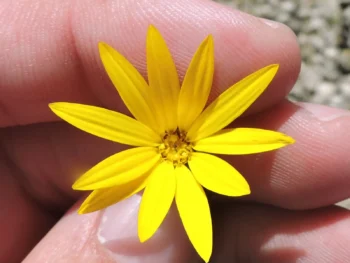
Drummond’s Sleepydaisy: A Charming Native Annual for Your Garden
If you’re looking for a delightful native wildflower that practically takes care of itself, meet Drummond’s sleepydaisy (Xanthisma texanum var. drummondii). This cheerful little annual brings sunshine to gardens across the American Southwest with its bright yellow blooms and easy-going nature.
What Makes Drummond’s Sleepydaisy Special?
Drummond’s sleepydaisy is a true native gem, naturally occurring across Arizona, New Mexico, Oklahoma, and Texas. As an annual forb, it completes its entire life cycle in one growing season, but don’t let that fool you into thinking it’s high-maintenance. This hardy little wildflower has mastered the art of self-sufficiency in some pretty tough conditions.
You might also encounter this plant listed under its scientific synonym, Xanthisma texanum ssp. drummondii, but it’s the same delightful species either way.
- Species observed
- No observations
Garden Appeal and Design Role
The real charm of Drummond’s sleepydaisy lies in its bright yellow, daisy-like flowers that appear in fall when many other plants are calling it quits for the season. These cheerful blooms create a lovely carpet of color and work beautifully in:
- Prairie and meadow gardens
- Xeriscapes and drought-tolerant landscapes
- Native plant gardens
- Naturalized areas where you want a wild look
- Ground cover in sunny spots
Perfect Growing Conditions
Drummond’s sleepydaisy thrives in USDA hardiness zones 7-10, making it perfect for gardeners in warmer climates. Here’s what this adaptable annual loves:
- Sunlight: Full sun is essential for best flowering
- Soil: Well-drained soils of almost any type
- Water: Drought tolerant once established, minimal watering needed
- Maintenance: Virtually none required
Planting and Care Tips
Growing Drummond’s sleepydaisy is refreshingly simple. Here’s how to get started:
- Direct seed in fall or early spring when soil temperatures are cool
- Scatter seeds over prepared soil and lightly rake in
- Water gently until germination occurs
- Once established, step back and let nature take over
- Allow plants to go to seed for natural reseeding
The beauty of this annual is that it often self-seeds readily, creating natural drifts that return year after year without any effort on your part.
Benefits for Wildlife and Pollinators
Drummond’s sleepydaisy isn’t just pretty – it’s also a valuable addition to any pollinator-friendly garden. The bright yellow flowers attract bees, butterflies, and other beneficial insects, providing important nectar sources during the fall blooming period when fewer flowers are available.
Why Choose Drummond’s Sleepydaisy?
This native annual offers several compelling reasons to include it in your garden:
- Zero-maintenance once established
- Supports local ecosystems and native wildlife
- Drought tolerant and climate-appropriate
- Provides fall color when other plants are fading
- Self-seeds for continuous displays
- Perfect for naturalizing large areas
Whether you’re creating a prairie garden, looking for low-water landscaping options, or simply want to support native pollinators, Drummond’s sleepydaisy is a wonderful choice that delivers beauty with virtually no effort required. Sometimes the best plants are the ones that know exactly how to take care of themselves!