Drummond’s Wart Lichen: The Tiny Garden Helper You Never Knew You Had
Have you ever noticed small, dark patches crusting over the rocks in your garden or on that old stone wall? Meet Drummond’s wart lichen (Staurothele drummondii), one of nature’s most understated yet fascinating organisms that might already be calling your outdoor space home.
What Exactly Is Drummond’s Wart Lichen?
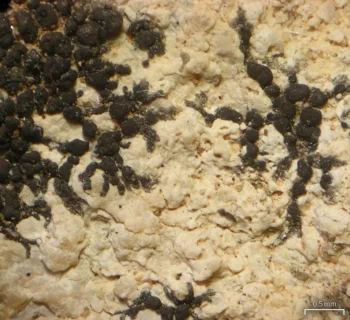
Despite its name suggesting it’s a plant, Drummond’s wart lichen is actually a remarkable partnership between fungi and algae working together as one organism. This crustose lichen forms thin, dark patches that seem to paint themselves directly onto rock surfaces, creating what looks like natural artwork on stone.
Scientifically known as Staurothele drummondii, this lichen has quite a few aliases in the botanical world, including former names like Endocarpon drummondii and Staurothele ambrosiana. But don’t worry about memorizing all those tongue-twisting scientific names – Drummond’s wart lichen works just fine!
Where You’ll Find This Native Gem
Drummond’s wart lichen is a proud North American native, naturally occurring across temperate regions of the continent. You’re most likely to spot it making itself at home on calcareous rocks, old stone walls, concrete surfaces, and similar hard substrates in your garden or neighborhood.
How to Identify Drummond’s Wart Lichen
Spotting this lichen is easier than you might think once you know what to look for:
- Forms dark, crusty patches directly on rock or stone surfaces
- Appears as if someone painted dark spots or patches onto the stone
- Texture is rough and warty (hence the name!)
- Grows flush against the surface rather than branching outward
- Often found on limestone, concrete, or other alkaline stone materials
Is It Beneficial to Your Garden?
While Drummond’s wart lichen won’t attract butterflies or produce showy blooms, it’s actually a quiet garden hero in its own right. Here’s why you should appreciate having it around:
- Air quality indicator: Lichens are sensitive to air pollution, so their presence suggests your garden enjoys relatively clean air
- Erosion prevention: These tiny organisms help stabilize rock surfaces and prevent weathering
- Ecosystem support: While not a major food source, lichens do provide shelter for microscopic organisms
- Natural beauty: They add interesting textures and patterns to stone features in your landscape
Can You Grow Drummond’s Wart Lichen?
Here’s where things get interesting – you can’t actually plant or cultivate lichens like traditional garden plants. They’re not something you’ll find at your local nursery, and there’s no such thing as lichen seeds to sow.
Instead, Drummond’s wart lichen will find you! If you have suitable stone surfaces and the right environmental conditions, it may naturally colonize your garden over time. The best thing you can do is:
- Maintain good air quality around your property
- Avoid using harsh chemicals on stone surfaces where lichens might grow
- Be patient – lichens grow very slowly
- Appreciate them when they do appear naturally
Living Harmoniously with Your Lichen Neighbors
If Drummond’s wart lichen has already made itself at home in your garden, consider yourself lucky! These remarkable organisms have been around for millions of years and represent one of nature’s most successful partnerships.
Rather than trying to remove them, embrace their presence as a sign of a healthy outdoor environment. They’re not harmful to your plants, won’t damage properly maintained stone surfaces, and require absolutely no care from you – making them perhaps the ultimate low-maintenance garden residents!
The next time you’re wandering through your garden, take a moment to appreciate these tiny marvels. In their quiet way, they’re contributing to the complex web of life that makes your outdoor space truly special.