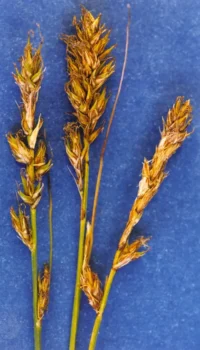
Dryspike Sedge: A Hardy Native Grass for Tough Growing Conditions
If you’re looking for a tough, low-maintenance native plant that can handle challenging growing conditions, let me introduce you to dryspike sedge (Carex siccata). This unassuming little sedge might not win any beauty contests, but it’s the kind of reliable workhorse that every native gardener needs in their toolkit.
Meet the Dryspike Sedge
Dryspike sedge is a perennial grass-like plant that’s native throughout most of North America. Don’t let the name fool you – while it’s called a sedge, it’s actually part of the larger family of grass-like plants that includes true grasses, sedges, and rushes. This hardy little plant forms neat tufts of narrow, blue-green to green leaves that provide fine texture and gentle movement in the landscape.
Where You’ll Find It Growing Wild
One of the most impressive things about dryspike sedge is its incredible range. This adaptable plant calls home everywhere from Alaska and the Canadian territories down through most of the continental United States. You’ll find it thriving in states from coast to coast, including Alberta, British Columbia, Alaska, Arizona, Colorado, Maine, California, Texas, and just about everywhere in between.
- Species observed
- No observations
However, there’s an important note for New Jersey gardeners: dryspike sedge is listed as endangered in the state with a rarity status of S1. If you live in New Jersey and want to grow this plant, make sure you source it responsibly from reputable native plant nurseries rather than collecting from the wild.
Why Consider Dryspike Sedge for Your Garden?
Here’s where dryspike sedge really shines – it’s incredibly adaptable to different moisture conditions. While it usually prefers drier, upland sites (hence the dryspike name), it can occasionally tolerate some moisture. This makes it perfect for:
- Prairie restorations and native meadow plantings
- Xeriscaping and drought-tolerant landscapes
- Erosion control on slopes and challenging sites
- Naturalized areas where you want low-maintenance ground cover
- Native plant gardens that celebrate local flora
Growing Conditions and Care
The beauty of dryspike sedge lies in its simplicity. This plant thrives in full sun to partial shade and isn’t particularly fussy about soil type. It’ll grow in sandy soils, clay soils, and most anything in between, as long as the drainage is decent. Once established, it’s remarkably drought tolerant, making it an excellent choice for areas where irrigation is limited or where you want to reduce water usage.
Dryspike sedge is hardy in USDA zones 2-8, so it can handle everything from harsh northern winters to moderately hot summers. The key is giving it that well-draining soil – while it can occasionally tolerate some moisture, it doesn’t want to sit in soggy conditions.
Planting and Maintenance
Getting dryspike sedge established is refreshingly straightforward. You can start it from seed or purchase plants for division. Plant in spring or fall when temperatures are moderate. During the first growing season, provide regular water to help the roots establish, but after that, you can largely leave it alone.
This is definitely a plant it and forget it kind of native. Once established, dryspike sedge requires minimal care. You might want to cut it back in late winter or early spring before new growth emerges, but even that’s optional. The plant will naturally form attractive clumps that slowly spread to fill in areas.
Wildlife and Ecosystem Benefits
While dryspike sedge might not be the showiest plant for pollinators (it’s wind-pollinated rather than insect-pollinated), it plays an important role in native ecosystems. It provides habitat structure for small wildlife, helps prevent soil erosion, and contributes to the overall biodiversity of native plant communities.
The Bottom Line
Dryspike sedge isn’t going to be the star of your flower border, but it’s exactly the kind of dependable native plant that forms the backbone of sustainable, low-maintenance landscapes. If you have challenging growing conditions, want to reduce irrigation needs, or are working on prairie or meadow restoration, this tough little sedge deserves serious consideration. Just remember to source it responsibly, especially if you’re gardening in areas where it might be less common.
Sometimes the most valuable plants in our gardens are the quiet, reliable ones that simply do their job year after year with minimal fuss. Dryspike sedge is definitely one of those plants.