Ducksbill Lousewort: A Quirky Alpine Native Worth the Challenge
Meet one of nature’s most uniquely named wildflowers: the ducksbill lousewort (Pedicularis ornithorhyncha). Don’t let the odd moniker fool you – this charming alpine perennial has nothing to do with ducks or lice! The name comes from its distinctive yellow flowers that sport an upper lip shaped remarkably like a duck’s bill, while lousewort is an old folk name based on the mistaken belief that livestock grazing on these plants would get lice.
Where You’ll Find This Alpine Gem
Ducksbill lousewort is a true northwesterner, calling the rugged landscapes of Alaska, British Columbia, and Washington home. This hardy perennial thrives in the challenging conditions of alpine meadows and rocky slopes throughout the northern Rocky Mountains and Pacific Northwest. As a native species across this region, it plays an important role in high-elevation ecosystems.
- Species observed
- No observations
What Makes It Special
This compact forb (a non-woody flowering plant) brings several unique qualities to the garden:
- Distinctive yellow flowers with that signature duck bill upper lip
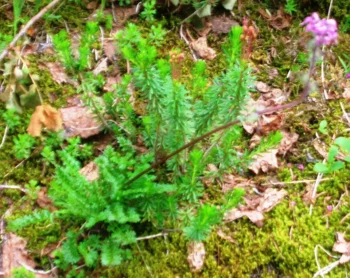
- Delicate, fernlike foliage that’s deeply divided and attractive even when not in bloom
- Compact alpine growth habit perfect for rock gardens
- Fascinating conversation starter with its unusual name and appearance
- Supports native pollinators, particularly bumblebees adapted to high-elevation conditions
Is Ducksbill Lousewort Right for Your Garden?
Here’s where we need to set realistic expectations. Ducksbill lousewort is definitely not your typical garden center perennial. This specialized alpine plant can be quite challenging to grow successfully in cultivation. It’s best suited for:
- Dedicated rock and alpine garden enthusiasts
- Native plant collectors in appropriate climate zones
- Naturalistic mountain landscape designs
- Gardeners who enjoy a good horticultural challenge
If you’re looking for easy-care natives for a typical suburban garden, you might want to consider more adaptable options. However, if you’re passionate about alpine plants and have experience with challenging species, ducksbill lousewort could be a rewarding addition.
Growing Conditions and Care
Success with ducksbill lousewort requires mimicking its natural alpine habitat:
Climate: Hardy in USDA zones 2-6, this plant actually prefers cooler conditions and may struggle in warmer climates.
Light: Provide full sun to partial shade, similar to its natural meadow habitats.
Soil: Well-drained, rocky or gravelly soil is absolutely essential. Poor drainage is likely to be fatal to this mountain native.
Water: Once established, it’s quite drought-tolerant, but avoid waterlogged conditions at all costs.
Special Growing Considerations
Here’s where things get interesting (and challenging). Ducksbill lousewort may be semi-parasitic, meaning it might form connections with nearby grass roots to supplement its nutrition. This behavior, while fascinating from a botanical perspective, makes cultivation more complex than your average perennial.
The plant also benefits from a period of winter chill, making it unsuitable for warm-winter regions. Think of it as nature’s way of ensuring this alpine specialist stays true to its mountain heritage.
The Bottom Line
Ducksbill lousewort is definitely not for everyone, but for the right gardener in the right setting, it’s a unique and rewarding native plant. If you’re in its native range (Alaska, British Columbia, or Washington), have experience with alpine plants, and can provide excellent drainage and cool conditions, it might be worth a try.
For most gardeners, admiring this distinctive wildflower in its natural habitat during mountain hikes might be the best way to appreciate its unique beauty. But if you’re up for the challenge and have the right conditions, ducksbill lousewort can add an authentic touch of alpine wilderness to your specialized native plant collection.