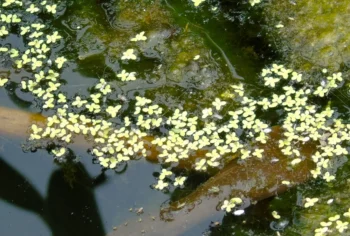
Duckweed: The Tiny Aquatic Plant That’s Both a Blessing and a Challenge
If you’ve ever peered into a pond or slow-moving stream and noticed what looks like a green carpet floating on the water’s surface, you’ve likely encountered duckweed (Lemna). This diminutive aquatic plant might be small in stature, but it packs a big punch when it comes to both benefits and potential headaches for water gardeners.
What Exactly Is Duckweed?
Duckweed is a perennial forb that lives its entire life floating on or just below the water’s surface. Unlike typical garden plants that root in soil, this little green wonder is perfectly adapted for an aquatic lifestyle. Each plant consists of a small, oval leaf-like structure called a frond, typically no bigger than your pinky nail, with tiny roots dangling below.
Native Status and Where You’ll Find It
Here’s the interesting thing about duckweed – it’s incredibly widespread and native to virtually everywhere in North America. From Alaska down to Puerto Rico, and from coast to coast, this hardy little plant has made itself at home in ponds, lakes, streams, and wetlands across the continent.
You can find duckweed growing naturally in all U.S. states, Canadian provinces, and even U.S. territories. It’s one of those plants that seems to pop up just about everywhere there’s still or slow-moving water.
- Species observed
- No observations
The Good, The Bad, and The Floating
The Benefits
Before you write off duckweed as just pond scum, consider its impressive list of benefits:
- Wildlife magnet: Water birds and even some terrestrial birds rely on duckweed for 5-10% of their diet – that’s a significant food source!
- Natural water filter: Duckweed absorbs excess nutrients from water, helping to keep ponds clear and healthy
- Oxygen producer: Like other aquatic plants, it adds oxygen to the water during daylight hours
- Shade provider: The floating mats help keep water temperatures cooler and reduce algae growth
The Challenges
Now for the reality check. In Missouri, duckweed has earned a nuisance status, and for good reason. This plant can reproduce faster than rabbits at a carrot convention. Under ideal conditions, duckweed populations can double every few days, quickly covering entire water surfaces.
Growing Conditions and Care
If you’re thinking about introducing duckweed to your water garden, here’s what you need to know:
- Hardiness zones: 3-11 (basically everywhere in North America)
- Water requirements: Still or slow-moving freshwater
- Light needs: Full sun to partial shade
- Maintenance: Virtually none required – and that’s part of the problem!
Should You Plant Duckweed?
This is where things get tricky. While duckweed is native and provides genuine ecological benefits, its aggressive growth habit means you need to think carefully before introducing it to your pond.
Consider duckweed if:
- You have a large pond or water feature where rapid spread won’t be problematic
- You’re creating a wildlife habitat and want to provide natural food sources
- You need help with nutrient control in your water feature
- You don’t mind regular maintenance to keep it in check
Skip duckweed if:
- You have a small decorative pond where aesthetics are important
- You want low-maintenance water gardening
- You’re not prepared for aggressive management
Management Tips
If you decide to welcome duckweed into your water garden, here are some strategies to keep it under control:
- Regular harvesting: Remove excess plants weekly during growing season
- Nutrient management: Reduce fertilizer inputs to slow growth
- Physical barriers: Use nets or screens to contain it to specific areas
- Seasonal cleanup: Remove plants before winter to prevent spring population explosions
The Bottom Line
Duckweed is like that enthusiastic friend who means well but doesn’t know when to stop talking. It provides real benefits to aquatic ecosystems and wildlife, but its aggressive nature means it’s not for every water garden. If you’re looking for native aquatic plants that are easier to manage, consider alternatives like native water lilies, arrowhead, or pickerel rush.
Remember, with great floating power comes great responsibility – and in duckweed’s case, that means being prepared for some serious pond management!