Dudley Bluffs Bladderpod: A Rare Gem Worth Protecting
Meet one of Colorado’s most endangered botanical treasures: the Dudley Bluffs bladderpod (Lesquerella congesta). This tiny but mighty perennial represents both the beauty and fragility of our native flora, making it a plant that deserves our attention—and our careful stewardship.
What Makes This Plant Special?
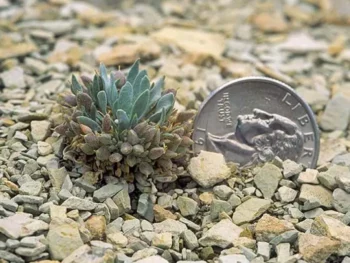
The Dudley Bluffs bladderpod is a compact forb that forms tight, cushion-like mounds of silvery-green foliage. In early spring, it bursts into bloom with clusters of bright yellow flowers that seem almost too cheerful for such a rare plant. As a member of the mustard family, it produces distinctive inflated seed pods (hence the bladderpod name) that add architectural interest even after flowering.
This perennial herbaceous plant stays relatively small, making it perfect for rock gardens and specialized native plant collections. Its silvery foliage provides year-round interest, while the sunny yellow blooms attract native bees and other small pollinators during its brief but spectacular flowering period.
Where Does It Come From?
Here’s where things get really interesting—and concerning. The Dudley Bluffs bladderpod is endemic to a tiny area in northwestern Colorado, specifically the Piceance Basin. We’re talking about a plant that exists naturally in just one small region of the world, making it incredibly precious and vulnerable.
- Species observed
- No observations
A Plant on the Edge
Important Conservation Alert: This plant is critically imperiled with a Global Conservation Status of S1 and is listed as Threatened under the Endangered Species Act. With typically five or fewer natural occurrences and very few remaining individuals (fewer than 1,000), every single plant matters.
If you’re considering growing Dudley Bluffs bladderpod, you absolutely must source it responsibly from reputable native plant nurseries or conservation organizations. Never collect from wild populations—this could contribute to the species’ decline.
Should You Grow It?
Growing this rare beauty is both a privilege and a responsibility. Here’s why you might want to include it in your garden:
- Support conservation efforts by maintaining genetic diversity in cultivation
- Add a truly unique native plant to your collection
- Attract early-season native pollinators
- Create a conversation piece about plant conservation
- Contribute to scientific understanding of the species
However, this isn’t a plant for casual gardeners. It requires specific conditions and careful attention, making it best suited for dedicated native plant enthusiasts, rock garden specialists, or conservation-minded gardeners.
Growing Conditions and Care
Successfully growing Dudley Bluffs bladderpod means replicating its specialized natural habitat. In the wild, it thrives on oil shale substrates in the high desert—quite the specialized niche!
Essential growing requirements:
- Soil: Extremely well-draining, alkaline soil; consider adding crushed limestone or other alkaline amendments
- Sun: Full sun exposure
- Water: Very low water needs once established; excellent drainage is crucial to prevent root rot
- Climate: Hardy in USDA zones 4-7
- Location: Rock gardens, raised beds, or specialized native plant gardens
Planting and Care Tips
Think of this plant as the ultimate specialist—it knows exactly what it wants and won’t settle for less!
- Plant in a raised bed or rock garden with exceptional drainage
- Avoid overwatering; this plant is adapted to arid conditions
- Protect from winter moisture to prevent crown rot
- Consider growing in containers if your natural soil retains too much moisture
- Allow plants to go dormant naturally in winter
- Avoid fertilizers, which can harm this low-nutrient specialist
The Conservation Connection
Growing Dudley Bluffs bladderpod connects you to larger conservation efforts. Many botanical gardens and native plant societies are working to preserve this species through careful cultivation and seed banking programs. By growing it responsibly, you become part of this important conservation network.
Remember, this plant’s survival depends on our collective stewardship. If you choose to grow it, source it ethically, provide the specialized care it needs, and consider sharing seeds or plants with other conservation-minded gardeners to help maintain genetic diversity in cultivation.
The Dudley Bluffs bladderpod may be small and rare, but it represents something much larger: our responsibility to protect the unique botanical heritage of our native landscapes. In a world where plant extinctions are accelerating, every garden that successfully grows this species is a small victory for conservation.