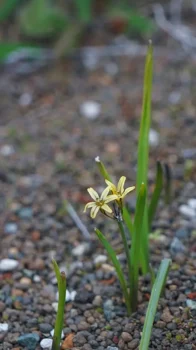
Dudley’s Triteleia: A Rare California Native Bulb Worth Growing
If you’re passionate about native plants and love the idea of growing something truly special in your garden, let me introduce you to Dudley’s triteleia (Triteleia dudleyi). This charming little bulb might not be as famous as its showier cousins, but it’s a hidden gem that deserves a spot in every California native plant enthusiast’s garden.
What Makes Dudley’s Triteleia Special?
Dudley’s triteleia is a perennial bulb that belongs to the broader group of California native bulbs that have adapted beautifully to our Mediterranean climate. This herbaceous perennial puts on a delightful spring show with clusters of blue to purple funnel-shaped flowers that dance atop slender stems. The flowers are arranged in umbrella-like clusters called umbels, creating an airy, graceful appearance that adds movement and color to any garden space.
Where Does It Come From?
This lovely native is exclusively Californian, making it a true local treasure. Dudley’s triteleia is endemic to the Golden State, with its natural range centered around the San Francisco Bay Area and surrounding regions. You might also know it by its former botanical name, Brodiaea dudleyi, if you’ve encountered it in older gardening references.
- Species observed
- No observations
A Word About Rarity
Here’s something important to know: Dudley’s triteleia has a conservation status that suggests it may be vulnerable or rare in the wild. This makes it even more special to grow, but it also means we need to be responsible gardeners. If you decide to add this beauty to your garden, make sure you source your bulbs from reputable native plant nurseries that propagate their own stock rather than wild-collecting. This way, you’re helping preserve wild populations while enjoying this treasure in your own space.
Why Grow Dudley’s Triteleia?
There are several compelling reasons to consider this native bulb for your garden:
- Pollinator magnet: The flowers are beloved by native bees, butterflies, and other beneficial insects
- Drought tolerance: Once established, it thrives with minimal summer water
- Low maintenance: Perfect for gardeners who want beauty without fuss
- Native habitat restoration: Helps support local ecosystems
- Unique beauty: Adds an authentic California wildflower look to your garden
Perfect Garden Settings
Dudley’s triteleia shines in several garden styles and situations:
- Native plant gardens where it can mingle with other California wildflowers
- Drought-tolerant landscapes that celebrate water-wise gardening
- Rock gardens where its delicate form creates lovely contrasts
- Naturalized meadow areas for a wild, authentic look
- Mediterranean-style gardens that embrace our climate
Growing Conditions and Care
The good news is that Dudley’s triteleia is relatively easy to grow if you understand its natural rhythm. This bulb is adapted to USDA hardiness zones 8-10, making it perfect for most of California’s mild climate regions.
Light requirements: Provide full sun to partial shade. Morning sun with some afternoon protection works well in hotter inland areas.
Soil needs: Well-draining soil is absolutely essential. Sandy or clay soils work fine as long as water doesn’t sit around the bulbs. If your soil tends to stay soggy, consider raised beds or adding amendments to improve drainage.
Water wisdom: Here’s the key to success – think Mediterranean! Water regularly during the growing season (fall through spring), then allow the soil to dry out completely during summer dormancy. This mimics the natural California rainfall pattern.
Planting and Care Tips
When to plant: Fall is the ideal planting time, typically October through December.
Planting depth: Plant bulbs about 3-4 inches deep and 3-4 inches apart.
Maintenance: Once established, these bulbs are wonderfully low-maintenance. Allow the foliage to die back naturally after blooming to feed the bulb for next year’s show. Resist the urge to water during summer dormancy.
Propagation: The bulbs will slowly multiply over time, creating larger clumps. You can divide these every few years in fall if desired.
Supporting California’s Native Heritage
By choosing to grow Dudley’s triteleia, you’re not just adding beauty to your garden – you’re participating in the conservation of California’s unique plant heritage. This rare native bulb represents thousands of years of adaptation to our specific climate and conditions. When you provide habitat for the pollinators it supports, you’re creating a small but meaningful piece of authentic California ecosystem right in your backyard.
Remember, the key to success with any native plant is working with its natural patterns rather than against them. Give Dudley’s triteleia the well-drained soil and summer rest it craves, and you’ll be rewarded with charming spring blooms and the satisfaction of growing something truly special.