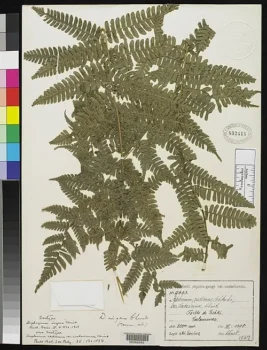
Dullgreen Spleenwort: A Hidden Gem for Shade Gardens
Meet the dullgreen spleenwort (Asplenium radicans), a charming native fern that’s anything but dull! Despite its modest name, this perennial beauty brings subtle elegance to shaded corners where many other plants struggle to thrive. If you’re looking for a reliable, low-maintenance plant that celebrates the natural flora of the Caribbean, this little fern might just be your new garden companion.
Where Does Dullgreen Spleenwort Come From?
This lovely fern is a true Puerto Rican native, making it a fantastic choice for gardeners in Puerto Rico who want to support local ecosystems and preserve indigenous plant heritage. The dullgreen spleenwort has adapted perfectly to the island’s tropical climate and growing conditions over thousands of years.
- Species observed
- No observations
What Makes This Fern Special?
The dullgreen spleenwort may not shout for attention, but it has its own quiet charm. This perennial fern produces delicate, finely divided fronds that create a soft, feathery texture in the garden. Its understated green foliage provides a perfect backdrop for showier flowering plants while adding year-round structure to shaded areas.
You might also see this plant listed under its former scientific names, including Asplenium alloeopteron or Asplenium crytopteron, but don’t let the name changes confuse you – it’s the same dependable fern.
Perfect Spots for Your Dullgreen Spleenwort
This fern is tailor-made for those tricky shaded spots in your garden. Here’s where it really shines:
- Under large trees or shrubs where dappled light filters through
- Along shaded pathways or borders
- In naturalistic woodland garden settings
- As groundcover in consistently moist, shaded areas
- In tropical or subtropical landscape designs
Growing Conditions and Care
Like most ferns, the dullgreen spleenwort appreciates life in the slow lane. Here’s what makes it happiest:
Climate: This tropical native thrives in USDA hardiness zones 10-11, so it’s best suited for year-round warm climates. If you live outside these zones, consider growing it as a houseplant or in a greenhouse.
Light: Shade to partial shade is perfect. Direct sunlight can scorch those delicate fronds, so keep it protected.
Soil: Well-draining but consistently moist soil is key. Think forest floor conditions – rich, organic, and never bone dry but not waterlogged either.
Humidity: High humidity makes this fern sing. If you’re growing it indoors or in dry climates, consider using a humidifier or placing it on a pebble tray with water.
Planting and Care Tips
Getting your dullgreen spleenwort established is refreshingly straightforward:
- Plant in spring when temperatures are consistently warm
- Amend your soil with compost or leaf mold to improve moisture retention
- Water regularly during dry spells, but ensure good drainage
- Remove any dead or damaged fronds to keep the plant looking tidy
- Apply a light mulch around the base to help retain moisture
- Feed occasionally with a balanced, diluted fertilizer during the growing season
Wildlife and Garden Benefits
While ferns don’t produce flowers to attract pollinators, they still play important roles in the garden ecosystem. The dullgreen spleenwort provides shelter for small creatures and contributes to the overall biodiversity of your garden. Its roots help prevent soil erosion, and as a native species, it supports the natural balance of local ecosystems.
Is Dullgreen Spleenwort Right for Your Garden?
This fern is an excellent choice if you:
- Live in Puerto Rico or similar tropical climates
- Want to support native plant species
- Have shady areas that need some green interest
- Prefer low-maintenance plants
- Enjoy subtle, naturalistic garden designs
However, it might not be the best fit if you’re looking for showy flowers, live in colder climates, or only have sunny garden spaces available.
The dullgreen spleenwort proves that sometimes the most rewarding garden additions are the quiet ones that simply do their job well, year after year. For gardeners in the right climate, this native fern offers an easy way to create lush, green spaces while honoring the natural heritage of the Caribbean.