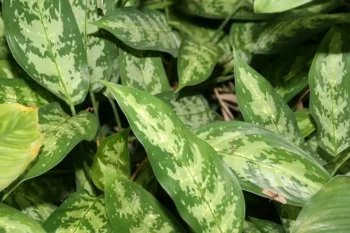
Dumbcane: A Bold Tropical Foliage Plant for Warm Climate Gardens
If you’re looking to add some serious tropical flair to your garden or home, dumbcane (Dieffenbachia seguine) might just catch your eye. This striking perennial is known for its large, paddle-shaped leaves decorated with creamy yellow and green variegation that practically screams vacation vibes. But before you rush to the garden center, let’s dive into what makes this plant tick and whether it’s the right fit for your space.
What Exactly Is Dumbcane?
Dumbcane is a herbaceous perennial that belongs to the monocot family. You might also see it sold under its scientific synonyms Dieffenbachia maculata or Dieffenbachia picta – same plant, different names. As a forb, it lacks woody stems but makes up for it with those show-stopping leaves that can grow quite large and create a lush, tropical look wherever it’s planted.
Where Does Dumbcane Call Home?
This plant is native to the Caribbean region, specifically Puerto Rico and the U.S. Virgin Islands. From there, it has made its way to other warm locations and now grows in Florida, Guam, Palau, and various U.S. territories. In these areas, it reproduces on its own and has established itself as part of the local landscape.
- Species observed
- No observations
Should You Plant Dumbcane in Your Garden?
The answer depends on where you live and what you’re hoping to achieve. Here are some things to consider:
The Pros:
- Stunning foliage that adds instant tropical appeal
- Works well as both an outdoor plant in warm climates and an indoor houseplant
- Relatively low-maintenance once established
- Thrives in shady areas where other colorful plants might struggle
The Considerations:
- Only suitable for USDA zones 10-12 outdoors (frost will kill it)
- Not native to most of the United States
- Offers limited benefits to local wildlife and pollinators
- All parts of the plant are toxic if eaten – keep away from children and pets
Growing Conditions and Care
If you decide dumbcane is right for you, here’s how to keep it happy:
Light Requirements:
Dumbcane prefers shade to partial shade. Too much direct sunlight can scorch those beautiful leaves, so find a spot that gets bright, indirect light.
Soil and Water Needs:
This plant likes consistently moist (but not waterlogged) soil that drains well. According to its wetland status, it can handle both regular garden conditions and slightly wetter areas, making it fairly adaptable. Just don’t let it completely dry out or sit in standing water.
Temperature:
Being a tropical native, dumbcane needs warm temperatures year-round. If you’re in a cooler climate, you’ll need to treat it as a houseplant or bring container plants indoors during winter.
Landscape Design Ideas
Dumbcane works beautifully in tropical and subtropical landscape designs. Use it to:
- Create lush understory plantings beneath taller plants
- Add bold foliage contrast in shade gardens
- Fill containers for patios and poolside areas
- Provide year-round interest as a houseplant
Consider Native Alternatives
While dumbcane can be a stunning addition to warm-climate gardens, you might also consider native plants that provide similar aesthetic appeal while supporting local ecosystems. Depending on your location, native alternatives might include wild ginger species, native aroids, or other broad-leaved tropical natives that offer the same lush look while feeding local wildlife.
A Word of Caution
Remember that dumbcane gets its common name from the temporary speech problems that can occur if someone bites into the plant. All parts contain calcium oxalate crystals that can cause mouth irritation and swelling. Keep this plant away from curious children and pets, and always wear gloves when handling it.
The Bottom Line
Dumbcane can be a gorgeous addition to the right garden – one in a warm climate with partial shade and consistent moisture. While it won’t support native wildlife like indigenous plants would, it’s not considered invasive and can coexist peacefully in appropriate settings. Just make sure you can provide the warm, humid conditions it craves, and always prioritize safety around this toxic beauty.