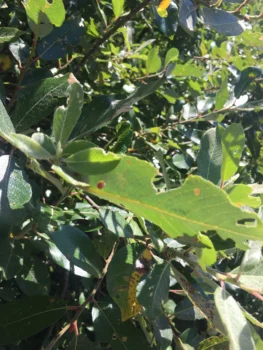
Dune Willow: The Coastal Champion Your Garden Needs
If you’re looking for a tough-as-nails native shrub that laughs in the face of salt spray and sandy soil, let me introduce you to the dune willow (Salix hookeriana). This scrappy Pacific Northwest native is like the reliable friend who’s always there when you need them – sturdy, adaptable, and surprisingly beautiful.
What Is Dune Willow?
Dune willow is a perennial shrub that typically grows as a multi-stemmed woody plant, usually staying under 13-16 feet tall. Don’t let its modest size fool you – this willow packs a punch when it comes to both beauty and function. With its silvery-green leaves that show off woolly undersides and attractive silvery bark, it’s got that effortless coastal charm that makes any garden look like it belongs by the sea.
Where Does It Call Home?
This native beauty spans an impressive range across the Pacific Northwest, calling Alaska, British Columbia, California, Oregon, and Washington home. You’ll find it thriving naturally along coastal dunes and wetlands, where it has mastered the art of coastal living.
- Species observed
- No observations
Why Your Garden Will Love Dune Willow
Here’s where dune willow really shines – it’s basically the Swiss Army knife of native shrubs:
- Erosion control superstar: Those roots are fantastic at holding soil in place
- Wildlife magnet: Early spring catkins provide crucial nectar for native bees and other pollinators
- Coastal tough: Salt spray? No problem. Sandy soil? Bring it on.
- Low maintenance: Once established, it’s pretty much set-it-and-forget-it
Perfect Garden Matches
Dune willow is particularly at home in:
- Coastal and seaside gardens
- Rain gardens and naturalized areas
- Native plant landscapes
- Restoration projects
- Areas needing erosion control
Growing Conditions That Make It Happy
The beauty of dune willow lies in its flexibility. It’s classified as a facultative wetland plant, meaning it usually hangs out in wet areas but can handle drier conditions too. Here’s what it loves:
- Light: Full sun to partial shade
- Soil: Adapts to various soils, including sandy and wet conditions
- Water: Tolerates both wet and moderately dry conditions once established
- Climate: Thrives in USDA hardiness zones 4-8
Planting and Care Tips
Getting dune willow established is refreshingly straightforward:
- Timing: Plant in fall or early spring for best establishment
- Spacing: Give it room to spread – these shrubs appreciate their space
- Watering: Keep consistently moist the first year, then it can largely fend for itself
- Pruning: Optional light pruning in late winter to maintain shape
- Fertilizing: Not necessary – it’s adapted to lean coastal soils
The Wildlife Connection
One of the best reasons to plant dune willow is its value to local wildlife. Those fuzzy catkins that appear in early spring are like opening a diner for hungry pollinators emerging from winter. Native bees, butterflies, and other beneficial insects rely on these early nectar sources when few other plants are blooming.
Is Dune Willow Right for Your Garden?
If you’re gardening in the Pacific Northwest, especially in coastal areas, and want a native plant that combines beauty with function, dune willow deserves serious consideration. It’s particularly valuable if you’re dealing with challenging conditions like salt exposure, sandy soil, or areas prone to erosion.
While it might not be the showiest plant in your garden, dune willow brings that steady, reliable presence that makes everything else look better. Plus, knowing you’re supporting local wildlife and using a plant that truly belongs in your region? That’s gardening gold right there.
So if you’re ready to embrace coastal living – whether you’re actually by the coast or just want that breezy, natural vibe – dune willow might just be your new favorite shrub.