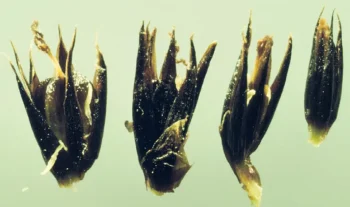
Duran’s Rush: A Rare California Wetland Treasure Worth Protecting
Meet Duran’s rush (Juncus duranii), one of California’s most elusive native plants. This unassuming perennial rush might not win any beauty contests, but it plays a crucial role in the Golden State’s wetland ecosystems. Before you start planning where to plant this rare gem, there’s something important you need to know.
What Makes Duran’s Rush Special
Duran’s rush belongs to the rush family (Juncaceae), making it a grass-like plant that thrives in California’s specialized wetland environments. As a perennial, it returns year after year, forming part of the backbone of these delicate ecosystems. You might also see it listed under its synonym, Juncus mertensianus var. duranii, in older botanical references.
Where You’ll Find This Rare Rush
Duran’s rush is endemic to California, meaning it exists nowhere else on Earth. This native species has adapted specifically to the unique conditions found in the state’s wetland habitats.
- Species observed
- No observations
The Conservation Reality Check
Here’s where things get serious: Duran’s rush carries a Global Conservation Status of S3, which translates to Vulnerable. This means the species is at risk due to its extremely limited range and small population size. With typically only 21 to 100 known occurrences and between 3,000 to 10,000 individuals total, this plant is hanging on by a thread.
What this means for gardeners: While we’d love to encourage native plant gardening, Duran’s rush should remain in its natural habitat. Attempting to grow this rare species could potentially harm wild populations if plants are collected from the wild.
Ecological Superpowers
Don’t let its rarity fool you into thinking Duran’s rush isn’t important. As an obligate wetland species in the Arid West region, it serves as a living indicator of healthy wetland ecosystems. These plants almost always occur in wetland environments, helping to:
- Stabilize soil along waterways
- Filter water naturally
- Provide habitat structure in wetland communities
- Support the complex web of wetland biodiversity
Better Alternatives for Your Garden
Instead of trying to grow Duran’s rush, consider these more common and garden-appropriate California native rushes:
- Common rush (Juncus patens) – Excellent for rain gardens and wet areas
- Baltic rush (Juncus balticus) – Great for erosion control in moist soils
- Soft rush (Juncus effusus) – Perfect for pond edges and boggy spots
These alternatives will give you the same grass-like texture and wetland garden benefits without putting pressure on rare plant populations.
How You Can Help
While you shouldn’t plant Duran’s rush in your garden, you can still support its conservation:
- Support wetland conservation organizations in California
- Choose abundant native alternatives for your wetland gardens
- Report any sightings to local botanical societies or iNaturalist
- Educate others about the importance of rare plant conservation
The Bottom Line
Duran’s rush represents the hidden treasures of California’s native plant heritage. While it’s not destined for your backyard garden, understanding and appreciating these rare species helps us become better stewards of our natural heritage. Sometimes the best way to love a plant is to leave it wild and choose common natives that can handle the garden life instead.
Remember: every rare plant species is irreplaceable. By choosing appropriate alternatives and supporting conservation efforts, we can ensure that future generations will still be able to discover Duran’s rush thriving in California’s precious wetland habitats.