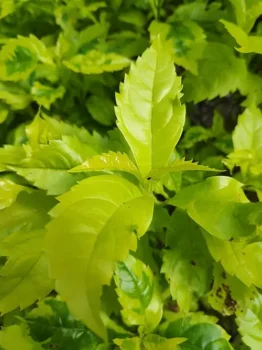
Duranta: A Colorful Shrub for Warm Climate Gardens
If you’re looking to add a splash of color to your warm climate garden, duranta might just be the shrub you’ve been searching for. This cheerful perennial brings both beautiful flowers and eye-catching berries to the landscape, making it a favorite among gardeners in tropical and subtropical regions.
What is Duranta?
Duranta is a multi-stemmed woody shrub that typically grows to heights of 4-5 meters (13-16 feet), though it can sometimes grow taller or remain single-stemmed depending on environmental conditions. As a perennial plant, it provides year-round structure to your garden while delivering seasonal bursts of color through its flowers and fruit.
Where Does Duranta Grow Naturally?
Duranta has an interesting native status that varies by location. It’s considered native to parts of the lower 48 United States, Puerto Rico, the U.S. Virgin Islands, and Navassa Island. However, it has also naturalized in Hawaii and other Pacific Basin areas, where it reproduces on its own without human intervention. Currently, you can find duranta growing in Arizona, California, Florida, Hawaii, Louisiana, Texas, Palau, Puerto Rico, Virgin Islands, and Navassa Island.
- Species observed
- No observations
Why Consider Duranta for Your Garden?
Duranta offers several appealing qualities that make it attractive to gardeners:
- Produces clusters of small, tubular flowers in shades of blue, purple, or white
- Develops bright orange or yellow berries that add visual interest
- Attracts beneficial pollinators including butterflies, bees, and hummingbirds
- Works well as an ornamental shrub, hedge, or specimen plant
- Drought tolerant once established
- Relatively easy to grow and maintain
Growing Conditions and Care
Duranta thrives in USDA hardiness zones 9-11, making it suitable for tropical and subtropical gardens. Here’s what you need to know about growing this colorful shrub:
Light and Soil Requirements
- Prefers full sun to partial shade
- Needs well-draining soil
- Adapts to various soil types once drainage is adequate
Watering and Maintenance
- Regular watering during establishment period
- Drought tolerant once roots are established
- Benefits from occasional pruning to maintain desired shape
- Generally low-maintenance once established
Considerations for Responsible Gardening
Before planting duranta, consider whether it’s native to your specific area. If you’re gardening in regions where duranta isn’t native, you might want to explore local native alternatives that provide similar benefits to pollinators and wildlife. Native plants often require less water and maintenance while supporting local ecosystems more effectively.
That said, duranta can be a valuable addition to warm climate gardens, especially when grown responsibly. Its ability to attract pollinators and provide year-round structure makes it a worthy consideration for gardeners in appropriate climate zones.
The Bottom Line
Duranta offers an appealing combination of colorful flowers, attractive berries, and pollinator benefits for gardeners in warm climates. While it’s easy to grow and relatively low-maintenance, always consider your local ecosystem and explore native alternatives when possible. If you decide duranta is right for your garden, you’ll enjoy its cheerful presence and the wildlife it attracts to your outdoor space.