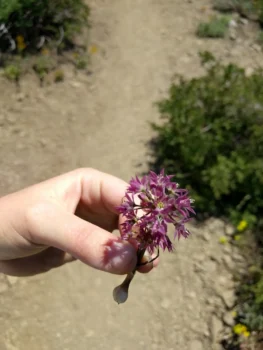
Dusky Onion: A Beautiful Native Bulb for Western Gardens
If you’re looking to add some native charm to your garden while supporting local pollinators, let me introduce you to the dusky onion (Allium campanulatum). This delightful little native bulb might not be the showiest plant in your garden, but it’s got a quiet beauty that’s absolutely worth celebrating.
What Makes Dusky Onion Special?
The dusky onion is a perennial forb native to the western United States, specifically thriving in California, Nevada, Oregon, and Washington. As a member of the onion family, it shares that characteristic bulbous root system, but don’t worry—your garden won’t smell like a kitchen!
- Species observed
- No observations
This charming native goes by the botanical name Allium campanulatum, though you might occasionally see it listed under its synonyms: Allium austinae, Allium bidwelliae, or Allium campanulatum var. bidwelliae. Whatever you call it, this little beauty is worth knowing.
Why You’ll Love Growing Dusky Onion
Here’s what makes this native plant such a garden gem:
- Gorgeous flowers: Small, bell-shaped purple to deep purple blooms appear in attractive clusters (umbels) from late spring to early summer
- Pollinator magnet: Bees, butterflies, and other native pollinators absolutely love these flowers
- Low maintenance: Once established, it’s remarkably drought tolerant
- Perfect for naturalized areas: Excellent choice for wildflower meadows and native plant gardens
- Rock garden star: Its compact size and preference for well-draining soil make it ideal for rock gardens
Where Does Dusky Onion Grow Best?
If you live in USDA hardiness zones 5-9, you’re in luck! Dusky onion thrives in these conditions:
- Sunlight: Full sun to partial shade
- Soil: Well-draining soil is absolutely essential—sandy or rocky soils are perfect
- Water: Drought tolerant once established, but appreciates some water during the growing season
- Climate: Adapted to Mediterranean and semi-arid climates
Perfect Garden Companions
Dusky onion plays well with other native plants and fits beautifully into several garden styles:
- Native plant gardens: Pairs wonderfully with other western natives
- Drought-tolerant landscapes: Perfect for water-wise gardening
- Rock gardens: Adds vertical interest among stones and low-growing plants
- Naturalized meadows: Helps create authentic native plant communities
How to Grow Dusky Onion Successfully
Growing dusky onion is surprisingly straightforward once you understand its needs:
Planting: Plant bulbs in fall when soil temperatures have cooled. Choose a spot with excellent drainage—this is non-negotiable! Poor drainage is the quickest way to lose these beauties.
Care tips: The key to success is mimicking their natural habitat. They prefer lean, well-draining soil over rich, moisture-retentive garden soil. Once established, water sparingly. Allow the foliage to die back naturally after blooming—this helps the bulb store energy for next year’s display.
Maintenance: These are truly low-maintenance plants. Simply remove spent flower heads if you don’t want them to self-seed, though letting them naturalize can create lovely drifts over time.
Supporting Native Ecosystems
By choosing dusky onion for your garden, you’re doing more than just adding beauty—you’re supporting native ecosystems. This plant provides nectar for native pollinators and helps maintain the plant communities that wildlife depends on. It’s a small but meaningful way to garden with nature in mind.
Whether you’re creating a native plant showcase or simply want to add some drought-tolerant beauty to your rock garden, dusky onion is a wonderful choice that connects your landscape to the natural heritage of the American West.