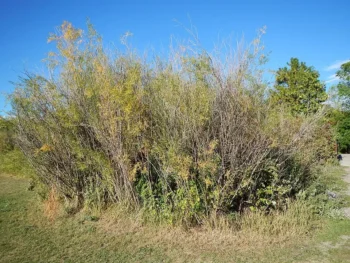
Dusky Willow: A Native Beauty for Wet Spots in Your Garden
If you’ve been scratching your head over what to plant in those perpetually soggy spots in your yard, let me introduce you to a native charmer that actually loves wet feet: the dusky willow (Salix melanopsis). This graceful shrub is like that friend who thrives in situations that would stress everyone else out – in this case, waterlogged soil that sends most plants running for higher ground.
What Is Dusky Willow?
Dusky willow is a perennial shrub that’s been quietly doing its thing across western North America for millennia. True to its shrubby nature, it typically sports multiple stems rising from the ground and usually stays under 13-16 feet tall, though it can occasionally stretch taller if the mood strikes. Don’t let the dusky name fool you – this plant brings plenty of brightness to wet landscapes with its silvery-backed leaves and cheerful spring catkins.
Where Does It Call Home?
This water-loving native has quite the impressive address book, naturally occurring across a wide swath of western North America. You’ll find dusky willow thriving from British Columbia down to California and stretching east through Alberta, Colorado, Idaho, Montana, Oregon, Utah, Washington, and Wyoming. It’s equally at home in both Canada and the lower 48 states – talk about a well-traveled plant!
- Species observed
- No observations
Why Your Garden (and Local Wildlife) Will Thank You
Here’s where dusky willow really shines as a garden addition. This isn’t just another pretty face – it’s a hardworking member of your landscape team. Those early spring catkins aren’t just for show; they’re like an all-you-can-eat buffet for native bees, butterflies, and other pollinators emerging from winter. When many plants are still snoozing, dusky willow is already setting the table.
The plant’s wetland status tells you everything you need to know about its water preferences. In most western regions, it’s classified as Obligate Wetland, meaning it almost always occurs in wetlands. In the Great Plains, it’s a bit more flexible as Facultative Wetland, usually preferring wet spots but occasionally tolerating drier conditions.
Perfect Garden Matches
Dusky willow is absolutely perfect if you’re dealing with:
- Rain gardens that collect runoff
- Streamside or pond edges
- Wetland restoration projects
- Native plant gardens focused on regional species
- Areas prone to flooding or standing water
Its natural grace makes it ideal for naturalistic plantings where you want that it grew here on its own look. Plus, if you’re battling erosion near water features, this willow’s root system will help hold things together while looking effortlessly elegant.
Growing Your Dusky Willow
The good news? If you can provide what this plant craves – moisture and more moisture – you’re already halfway to success. Dusky willow thrives in USDA hardiness zones 3-8, so it can handle everything from prairie winters to mountain conditions.
Light requirements: Full sun to partial shade works beautifully, though it tends to be happiest with plenty of sunshine.
Soil needs: Consistently moist to wet soils are non-negotiable. This plant doesn’t just tolerate periodic flooding – it welcomes it with open roots. Think of it as your garden’s resident water enthusiast.
Planting tips: Spring is your best bet for planting. Give your dusky willow space to spread its multiple stems, and don’t worry about babying it once established – these tough natives are built to last.
Care and Maintenance
Here’s the beautiful thing about native plants like dusky willow – they don’t need much fussing once they’re settled in. Minimal pruning is required, and you can let it develop its naturally graceful form. The main maintenance task is ensuring consistent moisture, but if you’ve planted it in an appropriate wet location, nature will likely handle that for you.
As a fast-growing shrub, you’ll see results relatively quickly, making it a gratifying choice for impatient gardeners who want to see their wetland areas transform sooner rather than later.
The Bottom Line
If you have wet areas in your landscape and want to work with nature instead of against it, dusky willow deserves serious consideration. This native shrub offers four-season interest, supports local pollinators, helps with erosion control, and brings that effortless, wild beauty that makes people stop and ask, What’s that gorgeous plant? Best of all, you’ll be supporting local ecosystems by choosing a plant that truly belongs in your regional landscape.
Sometimes the best garden solutions are the ones that have been growing in your area for thousands of years – they just needed an invitation to join your particular patch of earth.