Duskyseed Sedge: A Hardy Native Grass for Western Gardens
Looking for a tough, low-maintenance native plant that can handle challenging conditions? Meet duskyseed sedge (Carex pelocarpa), a resilient perennial grass-like plant that’s been quietly thriving across the American West for centuries. This unassuming sedge might not win any beauty contests, but it’s got plenty of practical charm for gardeners who value function alongside form.
What is Duskyseed Sedge?
Duskyseed sedge is a native perennial sedge that belongs to the grass-like family of plants. You might also see it listed under its botanical synonym, Carex nova var. pelocarpa, but don’t let the scientific names intimidate you – this is simply a hardy, clumping sedge that forms dense tufts of narrow, dark green foliage.
As a true native of the lower 48 states, this sedge has been quietly doing its job across the western landscape for generations, proving its worth in some pretty tough conditions.
Where Does Duskyseed Sedge Grow?
This western native calls home to seven states: Colorado, Idaho, Montana, Nevada, Oregon, Utah, and Wyoming. It’s particularly well-suited to the mountainous regions and high plains of these areas, where it has adapted to variable moisture conditions and challenging growing environments.
- Species observed
- No observations
Why Consider Duskyseed Sedge for Your Garden?
While duskyseed sedge might not be the showiest plant in your garden, it brings some serious practical benefits to the table:
- True native credentials: Support local ecosystems by choosing plants that belong in your region
- Versatile moisture tolerance: Can handle both wet and dry conditions, making it adaptable to various garden situations
- Low maintenance: Once established, this sedge pretty much takes care of itself
- Erosion control: Dense clumping habit helps stabilize soil on slopes or problem areas
- Drought resilient: Perfect for water-wise gardening approaches
What Does It Look Like?
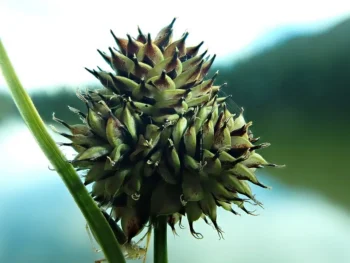
Duskyseed sedge forms neat, dense clumps of narrow, dark green leaves that create a grass-like texture in the landscape. The plant produces inconspicuous brownish flower spikes – hence the duskyseed common name – that won’t overwhelm your garden design but add subtle seasonal interest.
This sedge fits perfectly into naturalized areas, native plant gardens, and low-maintenance landscapes where you want reliable ground coverage without constant fussing.
Growing Conditions and Care
One of the best things about duskyseed sedge is how easygoing it is about growing conditions:
- Hardiness: Thrives in USDA zones 4-8
- Light: Full sun to partial shade
- Soil: Well-draining soils preferred, but adaptable
- Water: Drought tolerant once established; can also handle occasional wet conditions
- Maintenance: Minimal – just occasional cleanup of old foliage if desired
Perfect Garden Partners
Duskyseed sedge works beautifully in:
- Native plant gardens alongside other western natives
- Rock gardens where its clumping habit adds texture
- Restoration projects and naturalized areas
- Low-water landscapes and xeriscaping
- Areas where you need reliable ground cover without high maintenance
Wildlife and Ecological Benefits
As a wind-pollinated plant, duskyseed sedge doesn’t attract butterflies and bees the way flowering plants do, but it still plays an important role in native ecosystems. The dense clumps provide shelter for small wildlife, and the seeds may feed birds and small mammals in natural settings.
The Bottom Line
Duskyseed sedge might not be the star of your garden show, but it’s definitely a reliable supporting actor. If you’re gardening in the western states and looking for tough, native plants that can handle challenging conditions with minimal fuss, this sedge deserves a spot on your consideration list. It’s particularly valuable for those difficult spots where you need something that works without a lot of babying.
While it won’t provide the flashy blooms of wildflowers or the dramatic presence of native shrubs, duskyseed sedge offers something equally valuable: dependable, low-maintenance native character that supports local ecosystems while requiring very little from you in return.