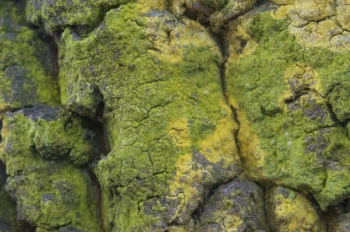
Dust Lichen: The Golden Powder That’s Actually Alive
Have you ever noticed a bright yellow-green, powdery substance coating the bark of trees in your yard and wondered what on earth it could be? Meet the dust lichen (Chrysothrix candelaris), a fascinating organism that’s neither plant nor animal, but something wonderfully in between!
What Exactly Is Dust Lichen?
Dust lichen is actually a remarkable partnership between a fungus and algae, working together in perfect harmony. This collaboration creates what looks like golden or yellow-green powder dusted across tree bark, wooden fences, and other surfaces. Don’t worry – it’s not harming your trees! In fact, it’s a sign that your local air quality is pretty decent, since lichens are notoriously picky about clean air.
You might also see this species referred to by its older scientific names, including Lepraria candelaris, Lepraria citrina, or Lepraria flava – botanists have shuffled the naming around a bit over the years.
Where You’ll Find It
This native North American species has made itself quite at home across the continent. You’re likely to spot dust lichen in woodlands, parks, and mature neighborhoods where established trees provide the perfect canvas for its powdery artistry.
How to Identify Dust Lichen
Spotting dust lichen is pretty straightforward once you know what to look for:
- Bright yellow-green to golden powdery coating on bark
- Feels somewhat dusty or granular to the touch
- Most commonly found on the bark of deciduous trees
- Often appears on the north-facing side of trees or in shadier spots
- May look like someone sprinkled golden powder or flour on the bark
Is Dust Lichen Good for Your Garden?
Absolutely! While you can’t exactly plant dust lichen (it shows up on its own when conditions are right), having it around is actually a wonderful thing. Here’s why:
- Air quality indicator: Its presence suggests your local air is relatively clean
- Ecosystem support: Provides habitat and food for tiny invertebrates
- Natural beauty: Adds interesting texture and color to tree bark
- Zero maintenance: Takes care of itself completely
Can You Encourage Dust Lichen?
While you can’t plant dust lichen like you would a flower or shrub, you can create conditions that make it more likely to appear naturally:
- Maintain mature trees with textured bark
- Avoid using harsh chemicals near trees
- Keep air quality good by reducing pollutants
- Allow natural moisture patterns around trees
Living Alongside Dust Lichen
The best part about dust lichen? It requires absolutely no care from you. It won’t harm your trees, doesn’t need watering, and actually indicates that your local environment is healthy. Simply enjoy this golden gift from nature as it adds its quiet beauty to your landscape.
Next time you’re walking through your garden or a nearby park, take a moment to appreciate these remarkable organisms. They’re living proof that some of nature’s most beautiful collaborations happen right under our noses – or should we say, right on our trees!