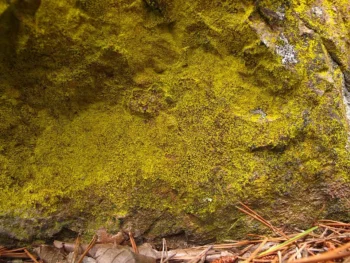
Dust Lichen: The Tiny Garden Guardian You Never Knew You Had
If you’ve ever noticed a powdery, yellowish-green coating on the bark of your trees and wondered what it was, you’ve likely encountered dust lichen (Chrysothrix). This fascinating organism isn’t actually a plant at all – it’s a lichen, which is a unique partnership between fungi and algae living together in perfect harmony.
What Exactly Is Dust Lichen?
Dust lichens are crusty, powdery organisms that form thin, dusty coatings on tree bark and occasionally on rocks. Despite their humble appearance, they’re quite remarkable. As a composite organism made up of fungi and photosynthetic partners (usually algae), lichens represent one of nature’s most successful collaborative efforts.
Chrysothrix is native to North America and can be found across the continent wherever suitable conditions exist. These hardy organisms have been quietly doing their job in forests and woodlands for thousands of years.
Spotting Dust Lichen in Your Garden
Identifying dust lichen is relatively straightforward once you know what to look for:
- Appears as a thin, powdery or dusty coating on tree bark
- Color ranges from pale yellow-green to grayish-green
- Texture resembles fine dust or powder that seems to cling to the bark
- Most commonly found on the bark of conifers and hardwood trees
- Often more noticeable on the north side of trees or in shadier areas
Is Dust Lichen Beneficial to Your Garden?
Absolutely! While dust lichen might look insignificant, it’s actually a fantastic indicator that your garden ecosystem is healthy. Here’s why you should celebrate finding it:
Air Quality Monitor: Lichens are extremely sensitive to air pollution, particularly sulfur dioxide. Their presence indicates that your garden enjoys relatively clean air – something that benefits all your plants, wildlife, and family.
Harmless to Trees: Unlike some organisms that grow on trees, dust lichen doesn’t harm its host. It simply uses the bark as a surface to live on, getting its nutrients from the air and rain.
Ecosystem Support: While dust lichen doesn’t attract pollinators like flowering plants do, it plays a role in the broader ecosystem by providing food for certain insects and contributing to the overall biodiversity of your garden.
Creating Conditions Where Dust Lichen Thrives
You can’t exactly plant dust lichen since it establishes naturally, but you can create conditions that welcome it:
- Maintain mature trees, especially conifers, which provide ideal surfaces
- Avoid using chemical sprays or treatments on tree bark
- Keep your garden environment as natural as possible
- Ensure good air circulation around your trees
- Avoid excessive fertilizer use, which can negatively impact lichen growth
When to Be Concerned
Generally, there’s no need to worry about dust lichen. However, if you notice a sudden disappearance of lichens from your trees, it might indicate declining air quality in your area – something worth investigating.
The Bottom Line
Dust lichen is like having a tiny environmental scientist living in your garden, constantly monitoring air quality for free. Rather than trying to remove it (which isn’t necessary and could indicate you’re using harsh chemicals), embrace it as a sign of a healthy, balanced garden ecosystem. It’s one of those wonderful examples of how nature takes care of itself when we give it the chance.
So next time you spot that dusty, powdery coating on your trees, give it a little nod of appreciation. Your dust lichen is proof that your garden is doing something right!