Dutchman’s Breeches: A Whimsical Spring Ephemeral for Your Shade Garden
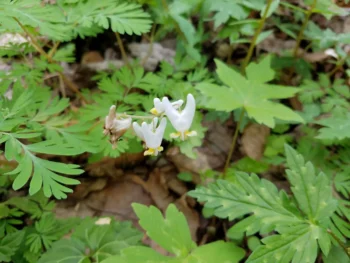
If you’ve ever wondered what it would look like if tiny pairs of upside-down pantaloons were hanging from a clothesline in your garden, then Dutchman’s breeches (Dicentra cucullaria) is the plant for you! This charming native wildflower brings a touch of whimsy to spring gardens with its distinctive white, puffy flowers that look exactly like miniature Dutch knickers swaying in the breeze.
What Makes Dutchman’s Breeches Special
Dutchman’s breeches is a perennial forb native to both Canada and the lower 48 United States. This delightful spring ephemeral produces clusters of white, heart-shaped flowers with yellow tips that dangle gracefully from arching stems. The flowers bloom for just a few weeks in early spring, typically from March to May, before the plant retreats underground for the rest of the growing season.
The plant’s delicate, blue-green foliage is equally attractive, resembling finely cut fern fronds that create a soft, lacy texture in the garden. But don’t get too attached to the foliage – like many spring ephemerals, Dutchman’s breeches goes completely dormant by summer, disappearing until the following spring.
Where You’ll Find This Native Beauty
Dutchman’s breeches has an impressive native range across North America. You can find it growing naturally in states from Maine to Georgia, and from the Atlantic coast west to the Great Plains and parts of the Pacific Northwest. It also thrives in several Canadian provinces including Manitoba, New Brunswick, Nova Scotia, Ontario, Prince Edward Island, and Quebec.
- Species observed
- No observations
However, gardeners in Alabama should take note: Dutchman’s breeches has a rarity status of S2 in the state, meaning it’s somewhat rare. If you’re planning to grow this beauty, make sure to source your plants or bulbs from reputable native plant nurseries that practice responsible harvesting.
Why Your Garden (and Pollinators) Will Love It
Dutchman’s breeches isn’t just a pretty face – it’s an important early season nectar source for pollinators. The unique shape of its flowers makes them particularly attractive to long-tongued bees, including mason bees and certain bumblebee species. These early spring blooms provide crucial sustenance when few other flowers are available.
In garden design, Dutchman’s breeches excels in several roles:
- Naturalizing woodland areas with native charm
- Adding spring interest to shade gardens
- Creating ephemeral ground cover that won’t compete with summer bloomers
- Providing authentic native character to restoration projects
Perfect Growing Conditions
Dutchman’s breeches thrives in USDA hardiness zones 3-7, making it suitable for most northern and temperate regions. This woodland native prefers conditions that mimic its natural forest habitat:
- Light: Partial to full shade (perfect under deciduous trees)
- Soil: Moist but well-draining, rich in organic matter
- Moisture: Consistently moist during growing season, can tolerate summer dryness when dormant
- Temperature: Requires winter chill for proper flowering
Planting and Care Tips
Growing Dutchman’s breeches successfully is all about understanding its natural cycle:
Planting: Plant the small, white bulbs (actually rhizomes) in fall, about 2-3 inches deep and 4-6 inches apart. Choose a spot where you won’t accidentally disturb the area when the plant is dormant.
Ongoing care: This low-maintenance native requires minimal fussing. Apply a layer of organic mulch to retain moisture and suppress weeds. Allow the foliage to die back naturally – this feeds the underground rhizome for next year’s show. The plant is naturally deer resistant, which is always a bonus!
Patience is key: Don’t expect instant gratification. Dutchman’s breeches can take a few years to establish and may not bloom heavily in the first season.
Is Dutchman’s Breeches Right for Your Garden?
This native charmer is perfect for gardeners who appreciate subtle beauty and want to support native ecosystems. It’s ideal for woodland gardens, native plant gardens, and any shaded area where you want early spring interest. Just remember that it’s a true ephemeral – here for a good time, not a long time each growing season.
If you’re looking for year-round foliage, this isn’t your plant. But if you want to add authentic native character to your shade garden while supporting early pollinators, Dutchman’s breeches is an excellent choice. Plus, there’s something undeniably delightful about having a plant that looks like it’s hanging out tiny laundry in your garden each spring!