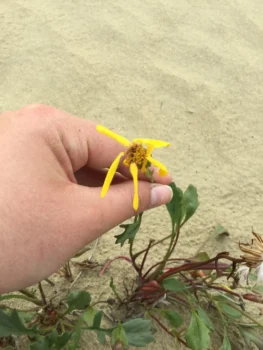
Dwarf Arctic Ragwort: A Hardy Native Gem for Cool Climate Gardens
If you’re looking for a resilient native wildflower that can handle whatever Mother Nature throws at it, meet the dwarf arctic ragwort (Packera cymbalaria). This tough little perennial might just be the unsung hero your garden has been waiting for – especially if you live in a cooler climate where many plants throw in the towel when winter arrives.
What Makes Dwarf Arctic Ragwort Special?
Don’t let the dwarf in the name fool you – while this plant stays relatively compact, it packs a serious punch in the durability department. As a native North American wildflower, dwarf arctic ragwort has spent thousands of years perfecting the art of survival in some pretty challenging conditions. This herbaceous perennial (meaning it dies back in winter but returns each spring) belongs to the sunflower family and produces cheerful clusters of small, bright yellow daisy-like flowers.
The plant’s most distinctive feature might be its attractive kidney-shaped to rounded basal leaves that form neat little rosettes. It’s like nature decided to create the perfect combination of cute and tough.
Where Does It Call Home?
Dwarf arctic ragwort has quite the impressive native range, spanning across Alaska, much of Canada (including Alberta, British Columbia, Quebec, Yukon, Northwest Territories, and Newfoundland), and extending down into several western U.S. states including Idaho, Montana, and Washington. This circumpolar distribution tells us everything we need to know about this plant’s cold tolerance – it’s basically the arctic explorer of the plant world.
- Species observed
- No observations
Why You Might Want This Plant in Your Garden
Here are some compelling reasons to consider adding dwarf arctic ragwort to your landscape:
- Ultra-hardy: Thriving in USDA hardiness zones 2-6, this plant laughs in the face of harsh winters
- Low maintenance: Once established, it’s practically care-free and drought tolerant
- Pollinator friendly: The bright yellow flowers attract native bees, flies, and other beneficial insects
- Versatile placement: Works beautifully in rock gardens, alpine settings, or naturalistic plantings
- Native plant benefits: Supports local ecosystems and wildlife
Perfect Garden Roles
Dwarf arctic ragwort isn’t trying to be the star of your garden – it’s more of a reliable supporting character that makes everything else look better. It excels in:
- Rock gardens where its compact form complements stone features
- Alpine or mountainous landscape designs
- Native plant gardens celebrating local flora
- Naturalistic meadow plantings
- Areas where you need groundcover that can handle tough conditions
Growing Conditions and Care
The beauty of dwarf arctic ragwort lies in its adaptability, though it does have some preferences:
Sunlight: Full sun to partial shade – it’s pretty flexible here
Soil: Well-draining soil is key, but it’s not fussy about soil quality. In fact, it can handle poor soils better than many garden plants
Water needs: Based on its wetland status (generally preferring non-wetland conditions), this plant appreciates good drainage and can handle dry spells once established
Climate considerations: Remember, this is an arctic native, so it prefers cooler temperatures and may struggle in hot, humid conditions
Planting and Care Tips
Getting started with dwarf arctic ragwort is refreshingly straightforward:
- Plant in spring after the last frost
- Ensure good drainage – soggy soil is not this plant’s friend
- Space plants appropriately for their mature size
- Water regularly the first season to help establishment
- Minimal fertilization needed – it’s adapted to lean soils
- Deadhead spent flowers if you prefer a tidier look, or leave them for wildlife
- May self-seed in favorable conditions
Is This Plant Right for Your Garden?
Dwarf arctic ragwort is an excellent choice if you:
- Live in zones 2-6 and want truly cold-hardy plants
- Prefer low-maintenance gardening
- Want to support native pollinators and wildlife
- Have challenging growing conditions like poor soil or occasional drought
- Appreciate understated beauty over flashy showstoppers
However, gardeners in warmer climates (zone 7 and above) might want to look for more heat-tolerant native alternatives, as this arctic native may struggle in hot summers.
The Bottom Line
Dwarf arctic ragwort may not win any beauty contests against flashy hybrid flowers, but it offers something increasingly valuable in our changing world: reliability. This native wildflower has proven itself across vast stretches of North America’s toughest climates, and it’s ready to bring that same dependable charm to your garden. For cool-climate gardeners seeking authentic native plants that actually thrive (rather than just survive), dwarf arctic ragwort deserves serious consideration.