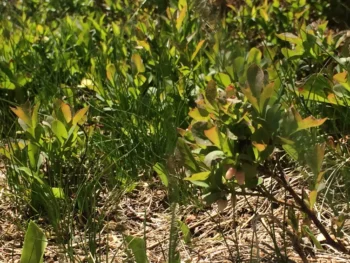
Dwarf Bilberry: A Tiny Native Treasure for Your Garden
Meet the dwarf bilberry (Vaccinium cespitosum), a petite powerhouse that’s been quietly thriving across North America’s northern landscapes for millennia. This charming little shrub might be small in stature, but it packs a big punch when it comes to adding authentic native character to your garden.
What Exactly Is Dwarf Bilberry?
Dwarf bilberry is a low-growing perennial shrub that typically reaches just one foot in height, making it perfect for those spots where you want something interesting but not overwhelming. As a member of the blueberry family, it shares that familiar look but in a more compact, ground-hugging form. This hardy little plant spreads through underground rhizomes, creating natural colonies over time.
Where Does It Call Home?
This is truly a pan-continental native, naturally occurring across an impressive range from Alaska and northern Canada all the way down through the northern United States. You’ll find wild populations thriving in states like Maine, Michigan, Minnesota, Montana, Colorado, and many others, as well as throughout most Canadian provinces and territories.
- Species observed
- No observations
Why Your Garden Will Love Dwarf Bilberry
There are plenty of reasons to consider adding this native gem to your landscape:
- Authentic native appeal: Supporting local ecosystems while creating beautiful, regionally appropriate gardens
- Four-season interest: Red flowers in early summer, black berries later in the season, and attractive fall foliage
- Low-maintenance nature: Once established, it’s quite self-sufficient
- Pollinator support: The early summer blooms provide nectar when many pollinators need it most
- Unique groundcover option: Perfect for naturalized areas, woodland gardens, or rock gardens
Perfect Garden Situations
Dwarf bilberry shines in several garden scenarios:
- Woodland or shade gardens where you want native groundcover
- Rock gardens or alpine-style plantings
- Native plant gardens focusing on regional species
- Areas with acidic soil where other plants struggle
- Naturalized landscapes that mimic local ecosystems
Growing Conditions That Make It Happy
Like its blueberry cousins, dwarf bilberry has some specific preferences, but they’re not too demanding:
- Soil: Prefers acidic conditions (pH 5.0-7.0) and does best in coarse to medium-textured soils
- Moisture: Enjoys consistent moisture but can handle some variation – it’s quite adaptable to both wetland and upland conditions depending on your region
- Light: Tolerates shade well, making it perfect for those tricky woodland spots
- Temperature: Extremely cold hardy (down to -33°F), making it suitable for USDA zones 2-7
- Drainage: While it likes moisture, it doesn’t want to sit in standing water
Planting and Care Tips
Getting dwarf bilberry established is straightforward if you keep its preferences in mind:
- Timing: Plant in spring or early fall when temperatures are moderate
- Soil prep: Amend heavy clay soils with organic matter, and consider adding sulfur if your soil isn’t naturally acidic
- Spacing: Plant 12-18 inches apart if you want coverage relatively quickly
- Watering: Keep consistently moist the first year while roots establish
- Fertilizing: Generally unnecessary – this plant adapted to low-fertility conditions
- Mulching: A light layer of organic mulch helps retain moisture and suppress weeds
Propagation Possibilities
If you want more plants, dwarf bilberry offers several options. Seeds are abundant and germinate readily, though they require patience. Cuttings can work well, and the plant’s natural rhizomatous growth means you can sometimes divide established clumps. Commercial availability is limited to specialty native plant suppliers, so you might need to do some hunting to find plants.
A Few Things to Keep in Mind
While dwarf bilberry is generally well-behaved, there are a few considerations:
- It’s not drought tolerant, so it’s not the best choice for xeric gardens
- Growth rate is moderate, so patience is required for full coverage
- It can spread via rhizomes, though not aggressively
- Fire tolerance is actually quite high, making it suitable for areas with wildfire risk
The Bottom Line
Dwarf bilberry might not be the showiest plant in the garden center, but for gardeners interested in authentic native landscapes, challenging growing conditions, or simply something a little different, it’s definitely worth considering. Its combination of regional authenticity, low-maintenance nature, and subtle beauty makes it a wonderful addition to the right garden situation. Plus, you’ll be supporting the complex web of relationships that make healthy ecosystems function – and that’s always something to feel good about.