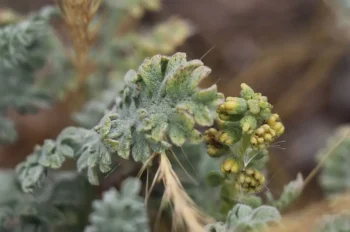
Dwarf Bur Ragweed: A Rare California Native Worth Protecting
Meet the dwarf bur ragweed (Ambrosia pumila), a small but mighty California native that’s fighting for survival in our increasingly developed landscape. This unassuming perennial forb might not win any beauty contests, but it plays a crucial role in Southern California’s natural heritage—and desperately needs our help.
What Makes Dwarf Bur Ragweed Special?
Don’t let the ragweed name fool you into thinking this is just another weedy nuisance. Ambrosia pumila is actually a precious endemic species found only in San Diego County, California. This low-growing perennial belongs to the sunflower family and has adapted perfectly to the region’s coastal sage scrub and chaparral communities over thousands of years.
The plant gets its dwarf designation honestly—it stays relatively compact compared to its taller ragweed cousins. As a forb (that’s garden-speak for a non-woody flowering plant), it produces small, divided leaves and tiny greenish flowers that might not catch your eye immediately, but certainly deserve your respect.
Geographic Distribution and Conservation Status
Here’s where things get serious: dwarf bur ragweed is found exclusively in California, specifically in San Diego County. This incredibly limited range makes it one of our region’s most vulnerable native species.
- Species observed
- No observations
Important Conservation Alert: Ambrosia pumila has a Global Conservation Status of S1, meaning it’s critically imperiled. In San Diego County, it’s officially listed as Endangered. With typically five or fewer known occurrences and very few remaining individuals (fewer than 1,000), this plant is teetering on the edge of extinction.
Should You Grow Dwarf Bur Ragweed?
The short answer: yes, but only if you can source it responsibly! Given its endangered status, growing dwarf bur ragweed in appropriate gardens can actually help conservation efforts—but only when done right.
Perfect For:
- Native California plant enthusiasts
- Conservation-minded gardeners
- Drought-tolerant landscape projects
- Habitat restoration efforts
- Specialized native plant collections
Not Ideal For:
- Gardeners seeking showy flowers
- High-maintenance or formal landscapes
- Areas outside its natural climate range
- Casual gardeners unfamiliar with rare plant care
Growing Conditions and Care
If you’re committed to growing this rare beauty, here’s what it needs to thrive:
Climate and Hardiness
Dwarf bur ragweed is adapted to USDA zones 9-11, thriving in Southern California’s Mediterranean climate. It’s naturally drought-tolerant once established but may need protection from hard frosts.
Soil and Water Requirements
This plant is a true Californian—it loves well-draining soils and hates wet feet. Its wetland status is Facultative Upland, meaning it usually grows in non-wetland areas but can occasionally tolerate slightly moist conditions. Think sandy or rocky soils that drain quickly after rain.
Light Requirements
Full sun to partial shade works best, mimicking its natural habitat in coastal sage scrub communities.
Planting and Care Tips
Growing endangered plants comes with extra responsibility. Here’s how to do it right:
- Source responsibly: Only purchase from reputable native plant nurseries that propagate from legally obtained seeds or cuttings—never collect from wild populations
- Provide excellent drainage: Amend heavy soils with sand or gravel to prevent root rot
- Water sparingly: Once established, this drought-adapted native needs minimal supplemental water
- Avoid fertilizers: Native plants often struggle with rich soils—they’re adapted to lean conditions
- Protect from foot traffic: Give this rare plant a safe, undisturbed spot in your garden
- Consider companion plants: Pair with other Southern California natives like sages, buckwheats, and native grasses
Wildlife and Ecosystem Value
While dwarf bur ragweed is wind-pollinated (so it won’t attract butterflies and bees like showier natives), it still provides valuable habitat structure in native plant communities. Every plant we save contributes to the complex web of relationships that make California’s ecosystems so special.
The Bottom Line
Dwarf bur ragweed might not be the flashiest plant in your garden, but growing it responsibly makes you part of a crucial conservation effort. By providing this endangered species with appropriate habitat in our gardens, we’re helping ensure that future generations will know this unique piece of California’s natural heritage.
Remember: with great rarity comes great responsibility. If you choose to grow Ambrosia pumila, you’re not just adding a plant to your garden—you’re becoming a guardian of California’s irreplaceable biodiversity.