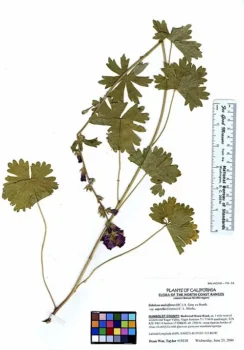
Dwarf Checkerbloom: A Charming Native Wildflower for Western Gardens
If you’re looking for a delightful native wildflower that won’t take over your garden but will certainly charm your visitors (both human and pollinator), let me introduce you to dwarf checkerbloom. This petite perennial herb brings a splash of pink to coastal gardens while being refreshingly low-maintenance – exactly what every gardener dreams of!
Meet the Dwarf Checkerbloom
Dwarf checkerbloom (Sidalcea asprella) is a native perennial forb that belongs to the mallow family. Unlike its tree and shrub cousins, this little gem is an herbaceous plant that dies back to the ground each winter and pops up again come spring. You might also see it listed under its botanical synonym Sidalcea malviflora ssp. asprella in some older gardening references.
Where It Calls Home
This lovely native is naturally found along the coastal regions of California and Oregon, where it has adapted beautifully to the Mediterranean climate patterns of wet winters and dry summers. It’s perfectly suited for USDA hardiness zones 7 through 10, making it an excellent choice for gardeners in these regions who want to work with nature rather than against it.
- Species observed
- No observations
Why You’ll Love Growing Dwarf Checkerbloom
There are plenty of reasons to fall for this native beauty:
- Pollinator magnet: The pink to rose-colored flowers attract bees, butterflies, and other beneficial insects to your garden
- Low maintenance: Once established, it’s quite drought tolerant and requires minimal care
- Compact size: Perfect for smaller gardens or as part of a wildflower mix
- Native benefits: Supports local ecosystems and wildlife
- Extended bloom: Flowers appear in attractive spikes during the growing season
Perfect Garden Roles
Dwarf checkerbloom shines in several garden settings. It’s particularly stunning in native plant gardens, where it can mingle with other California and Oregon natives. Consider it for wildflower meadows, coastal gardens, or as a charming ground cover in areas where you want seasonal color without year-round maintenance.
This plant works beautifully in naturalistic designs where you want that wild but not weedy look. It’s also an excellent choice for xeriscaping projects, especially in its native range where it can thrive with minimal supplemental water.
Growing Conditions That Make It Happy
Like many California and Oregon natives, dwarf checkerbloom appreciates well-drained soil and can handle full sun to partial shade conditions. It’s adapted to the natural boom-and-bust water cycle of its native habitat, so don’t be surprised if it goes dormant during hot, dry summers – that’s completely normal!
The plant prefers:
- Well-draining soil (avoid heavy clay or constantly wet conditions)
- Full sun to partial shade
- Moderate water during establishment, then minimal irrigation
- Good air circulation
Planting and Care Tips
Getting dwarf checkerbloom established is surprisingly straightforward. Plant it in fall or early spring when cooler weather and natural rainfall can help it get settled. Space plants according to their mature size, keeping in mind that this is a relatively compact species.
During the first year, provide regular water to help establish a good root system. After that, you can gradually reduce irrigation – this tough little native is quite drought tolerant once it’s settled in. Don’t worry if it disappears during the hottest part of summer; it’s likely just taking a well-deserved rest and will return when conditions improve.
One of the best things about native plants like dwarf checkerbloom is that they rarely need fertilizer. In fact, too much rich soil can sometimes make them grow too lush and reduce flowering.
The Bottom Line
Dwarf checkerbloom is one of those wonderful native plants that gives you maximum charm with minimal fuss. If you’re gardening in California or Oregon and want to create habitat for pollinators while enjoying pretty pink blooms, this native wildflower deserves a spot in your garden. It’s particularly perfect for gardeners who love the idea of wildflowers but worry about aggressive spreaders – dwarf checkerbloom will stay put and play nicely with its neighbors.
Ready to welcome some native charm into your garden? Your local pollinators will thank you, and you’ll love having such a delightful, low-maintenance addition to your landscape!