Dwarf Checkerbloom: A Charming Native Groundcover for Pacific Coast Gardens
Looking for a delightful native plant that won’t take over your garden but will definitely steal your heart? Meet dwarf checkerbloom (Sidalcea malviflora), a petite perennial that’s perfectly suited for Pacific Coast gardeners who want to embrace their region’s natural beauty while creating pollinator-friendly spaces.
What Makes Dwarf Checkerbloom Special?
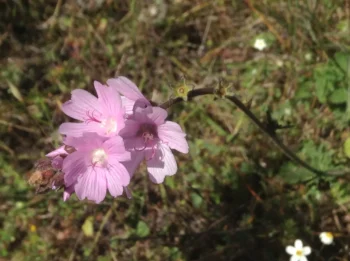
This lovely little native is a true gem of the mallow family, offering delicate pink to rose-colored flowers that dance atop slender stems. Unlike its taller checkerbloom cousins, this compact variety stays relatively low to the ground, making it perfect for gardeners who want the charm of native wildflowers without the dramatic height.
As a perennial forb, dwarf checkerbloom returns year after year, establishing a reliable presence in your garden without requiring the woody structure of shrubs or trees. It’s one of those wonderfully adaptable plants that knows how to make itself at home in various garden settings.
Where Does Dwarf Checkerbloom Call Home?
This Pacific Coast native thrives naturally across California, Oregon, and Washington, making it an excellent choice for gardeners in these states who want to support their local ecosystem. When you plant dwarf checkerbloom, you’re essentially rolling out the welcome mat for the birds, bees, and butterflies that have co-evolved with this plant over thousands of years.
- Species observed
- No observations
Why Your Garden (and Local Wildlife) Will Love It
Dwarf checkerbloom isn’t just a pretty face – it’s a hardworking member of the garden community. Here’s why it deserves a spot in your landscape:
- Pollinator magnet: Bees and butterflies absolutely adore the nectar-rich flowers
- Low maintenance: Once established, it’s quite content with minimal fuss
- Seasonal interest: Blooms provide color from late spring through summer
- Native credibility: Supports local ecosystems and biodiversity
- Compact size: Won’t overwhelm smaller garden spaces
Perfect Garden Companions and Design Ideas
Dwarf checkerbloom shines in native plant gardens, meadow-style plantings, and naturalized areas. It’s particularly stunning when allowed to weave through other native grasses and wildflowers, creating that effortless nature did it look that’s actually quite intentional.
Consider pairing it with native bunch grasses, California poppies, or other regional natives for a cohesive, ecosystem-supporting garden design. It also works beautifully as a groundcover in areas where you want gentle color without aggressive spreading.
Growing Conditions: What Makes Dwarf Checkerbloom Happy
One of the most appealing aspects of dwarf checkerbloom is its adaptability to different moisture conditions. This plant has a facultative wetland status, which is a fancy way of saying it’s quite flexible about water – it can handle both moist and drier conditions, though it generally prefers some moisture during its growing season.
Here’s what this adaptable native prefers:
- Sun exposure: Full sun to partial shade
- Soil moisture: Moist to seasonally wet soils, but adaptable
- Hardiness: Generally suitable for USDA zones 7-10
- Soil type: Tolerates various soil types but appreciates good drainage
Planting and Care Tips
The beauty of native plants like dwarf checkerbloom is that they’ve already figured out how to thrive in your local conditions – you just need to give them a good start:
- Plant in fall or early spring when natural rainfall will help establishment
- Water regularly the first year to help roots establish
- Once established, reduce watering – it’s adapted to natural rainfall patterns
- Allow some winter moisture, as this matches its natural cycle
- Deadhead spent flowers to encourage continued blooming
- Divide clumps every few years to maintain vigor
Is Dwarf Checkerbloom Right for Your Garden?
If you’re gardening in California, Oregon, or Washington and want a charming, low-maintenance native that supports local wildlife, dwarf checkerbloom is definitely worth considering. It’s particularly perfect for gardeners who appreciate subtle beauty over flashy drama and want plants that work with, rather than against, their local environment.
This delightful native proves that sometimes the best garden additions are the ones that feel like they’ve always belonged there – because in the case of dwarf checkerbloom, they practically have!