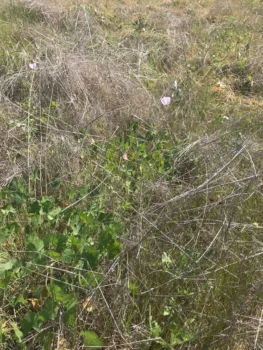
Dwarf Checkerbloom: A Rare California Native Worth Knowing
If you’re on the hunt for truly unique California native plants, you might have stumbled across dwarf checkerbloom (Sidalcea sparsifolia). This little-known perennial herb represents one of those special plants that makes native gardening feel like a treasure hunt – though finding and growing it comes with some important considerations.
What Is Dwarf Checkerbloom?
Dwarf checkerbloom is a perennial forb, meaning it’s a non-woody flowering plant that returns year after year. As part of the broader checkerbloom family, it shares DNA with some of California’s more well-known wildflowers, but this particular species keeps a much lower profile in both the wild and in cultivation.
Where Does It Call Home?
This California exclusive has a very limited native range within the Golden State. Unlike some of its checkerbloom cousins that spread across multiple western states, Sidalcea sparsifolia keeps things local, sticking to specific habitats within California’s diverse landscape.
- Species observed
- No observations
The Rarity Reality Check
Here’s something every gardener needs to know: dwarf checkerbloom has a conservation status that suggests it may be quite rare in the wild. Before you get excited about adding this native gem to your garden, it’s crucial to source any plants or seeds responsibly from reputable native plant nurseries that can verify their material isn’t collected from wild populations.
Why Consider Dwarf Checkerbloom?
If you can source it responsibly, here’s what makes this plant appealing:
- True California native: Support local ecosystems with a plant that evolved right in your backyard
- Perennial staying power: Once established, it should return year after year
- Conversation starter: Few gardeners will recognize this rare native, making it a unique addition
- Educational value: Perfect for demonstrating California’s incredible plant diversity
The Growing Challenge
Here’s where things get tricky – specific growing information for Sidalcea sparsifolia is surprisingly scarce. This isn’t uncommon with rare native plants that haven’t made it into mainstream horticulture. Without detailed cultivation guidelines, growing dwarf checkerbloom becomes a bit of an experiment.
Smart Alternatives to Consider
If you’re drawn to the checkerbloom family but want something easier to source and grow, consider these more common California natives:
- Checker mallow (Sidalcea malviflora): More widely available with similar charm
- Desert mallow (Sphaeralcea ambigua): Drought-tolerant with lovely orange blooms
- Island mallow (Lavatera assurgentiflora): Showy pink flowers and easier cultivation
The Bottom Line
Dwarf checkerbloom represents the fascinating complexity of California’s native plant world – beautiful, unique, and challenging all at once. While it might capture your imagination, approach this plant with respect for its rarity. If you do decide to grow it, make absolutely sure you’re sourcing from responsible growers who aren’t impacting wild populations.
Sometimes the most rewarding native gardening experience comes from appreciating these rare species in their natural habitat while choosing more common natives for our home landscapes. Either way, dwarf checkerbloom reminds us why protecting California’s incredible plant diversity matters so much.