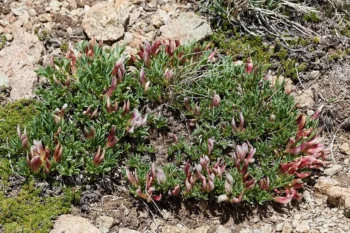
Dwarf Clover: A Tiny Native Gem for Your Alpine Garden
Meet dwarf clover (Trifolium nanum), a delightful little native that proves good things really do come in small packages! This petite perennial might not tower over your garden like a sunflower, but what it lacks in height, it more than makes up for in charm and resilience.
What Makes Dwarf Clover Special?
Dwarf clover is a true American native, calling the western United States home. This hardy little forb herb – that’s garden-speak for a non-woody flowering plant – has adapted beautifully to life in some pretty tough neighborhoods, including the high-elevation areas of Colorado, Montana, New Mexico, Utah, and Wyoming.
- Species observed
- No observations
As a perennial, dwarf clover will return year after year, making it a reliable addition to your garden family. Its growth habit is perfectly described by its name – this is one clover that stays refreshingly compact!
Why You Might Want to Plant Dwarf Clover
Here are some compelling reasons to give this tiny native a spot in your garden:
- Perfect for tight spaces: Its compact size makes it ideal for rock gardens, crevices, and small garden areas
- Native plant benefits: Supports local ecosystems and wildlife
- Low maintenance: Once established, it’s quite self-sufficient
- Pollinator magnet: Small but mighty flowers attract native bees and other beneficial insects
- Drought tolerant: Great for water-wise gardening
- Hardy survivor: Thrives in USDA zones 3-7
Where Does Dwarf Clover Shine?
This little charmer isn’t meant for every garden situation, but it absolutely excels in certain settings:
- Alpine and rock gardens: Its natural habitat makes it perfect for recreating mountain meadow conditions
- Native plant gardens: A wonderful addition to western native plant collections
- Xeriscaping projects: Ideal for low-water landscaping
- Ground cover in small areas: Creates interesting texture without overwhelming nearby plants
Growing Dwarf Clover Successfully
The secret to happy dwarf clover? Think mountain meadow, not suburban lawn! Here’s what this little native needs to thrive:
Growing Conditions
- Sunlight: Full sun is best – this plant loves bright, direct light
- Soil: Well-draining soil is absolutely essential; soggy conditions will spell disaster
- Water: Drought tolerant once established, but appreciates occasional deep watering during dry spells
- Climate: Hardy in zones 3-7, perfect for areas with cold winters
Planting and Care Tips
- Plant in spring after the last frost when soil is workable
- Ensure excellent drainage – consider raised beds or rocky areas if your soil is heavy
- Space plants according to their mature size (they stay quite small!)
- Water regularly during the first season to help establish roots
- Once established, minimal care is needed – this is a true plant it and forget it native
- No fertilizer needed – dwarf clover actually fixes nitrogen in the soil
A Few Things to Consider
While dwarf clover is generally wonderful, it’s not the right choice for every garden:
- If you’re looking for a tall statement plant, this tiny beauty won’t fit the bill
- It needs excellent drainage – not suitable for wet or boggy areas
- Best suited for western growing conditions where it’s naturally adapted
- May not compete well with aggressive, non-native plants
The Bottom Line
Dwarf clover is a delightful choice for gardeners who appreciate native plants and want to create habitat for local wildlife. It’s especially perfect if you’re working with challenging conditions like poor soil, limited water, or small spaces. While it won’t be the star of a traditional flower border, it shines beautifully in rock gardens, native plant collections, and naturalized areas.
This little native proves that sometimes the most unassuming plants make the biggest impact – not through showy displays, but through their quiet resilience and their ability to support the web of life in our gardens. If you’re looking to add authentic western character to your landscape while supporting local pollinators, dwarf clover might just be your perfect tiny companion!