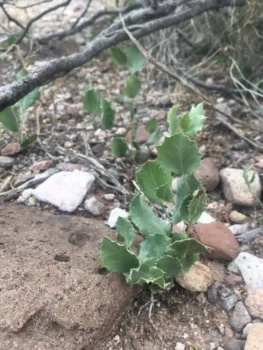
Dwarf Desertpeony: A Tiny Native Treasure for Southwestern Gardens
If you’re looking for a charming little native that packs a big punch in small spaces, meet the dwarf desertpeony (Acourtia nana). This delightful southwestern native might not be the showiest plant in the garden, but what it lacks in size, it more than makes up for in character and resilience.
What Makes Dwarf Desertpeony Special?
Dwarf desertpeony is a perennial forb – essentially a non-woody flowering plant that comes back year after year. Don’t let the name fool you; it’s not actually related to peonies at all! This little charmer belongs to the sunflower family and produces small, daisy-like purple flowers that seem almost too delicate for such a tough plant.
As a true native of the American Southwest, this plant has been thriving in Arizona, New Mexico, and Texas long before any of us started thinking about water-wise gardening. You might also see it listed under its synonym, Perezia nana, in older gardening references.
- Species observed
- No observations
Why Your Garden Needs This Little Native
Here’s why dwarf desertpeony deserves a spot in your landscape:
- Drought champion: Once established, this plant laughs in the face of dry spells
- Pollinator magnet: Native bees and butterflies adore those purple blooms
- Low maintenance: Perfect for gardeners who prefer plants that take care of themselves
- Space-efficient: Ideal for small gardens, rock gardens, or tight spots
- Native credentials: You’re supporting local ecosystems and wildlife
Where Does Dwarf Desertpeony Shine?
This compact beauty is perfectly suited for:
- Desert and xeriscape gardens
- Rock gardens and stone landscapes
- Native plant gardens
- Ground cover in sunny, dry areas
- Container gardens (with excellent drainage)
Growing Dwarf Desertpeony Successfully
USDA Hardiness Zones: 7-10 (perfect for most southwestern gardeners)
Light Requirements: Full sun is this plant’s best friend. Give it at least 6-8 hours of direct sunlight daily.
Soil Needs: Well-draining soil is absolutely crucial. This plant would rather be a little thirsty than have wet feet. Sandy or gravelly soils work wonderfully.
Water Wisdom: Here’s the golden rule – water deeply but infrequently once established. During the first growing season, provide regular water to help roots establish, then back off significantly.
Planting and Care Tips
- Best planting time: Fall or early spring when temperatures are moderate
- Spacing: Allow adequate room for air circulation
- Mulching: Use gravel or stone mulch rather than organic mulch to prevent moisture retention
- Fertilizing: Generally unnecessary – these plants prefer lean soils
- Pruning: Minimal pruning needed; remove spent flowers if desired
The Bottom Line
Dwarf desertpeony might not win any largest flower contests, but it’s a winner where it counts – reliability, native status, and genuine southwestern charm. If you’re gardening in zones 7-10 and looking for a low-maintenance native that supports local wildlife while adding subtle beauty to your landscape, this little treasure is definitely worth considering.
Remember, successful native gardening is about working with your local conditions rather than against them. Dwarf desertpeony is proof that sometimes the best plants are the ones that have been quietly thriving in your region all along.