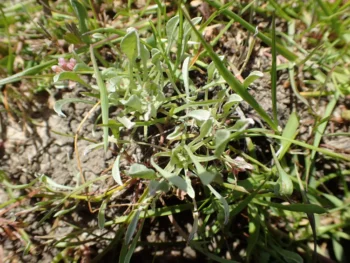
Dwarf Dwarf-Cudweed: A Rare California Wetland Native Worth Knowing
Meet dwarf dwarf-cudweed (Hesperevax caulescens), a tiny but fascinating annual herb that’s as unique as its wonderfully redundant common name suggests. This unassuming little plant might not win any beauty contests, but it plays an important role in California’s specialized wetland ecosystems and deserves our attention – and protection.
What Makes This Plant Special?
Dwarf dwarf-cudweed is a small annual forb, meaning it’s a non-woody plant that completes its entire life cycle in one year. Don’t expect towering stems or showy blooms – this little guy stays close to the ground and produces tiny, inconspicuous white to cream-colored flowers surrounded by woolly bracts. It’s the kind of plant that rewards the observant gardener who appreciates subtle beauty and ecological significance over flashy displays.
Where Does It Call Home?
This California endemic has a very limited range, found only within the Golden State’s borders. It’s perfectly adapted to the state’s unique Mediterranean climate and specialized wetland habitats, particularly vernal pools and seasonal wetlands that flood in winter and dry out in summer.
- Species observed
- No observations
A Word of Caution: This Plant is Rare
Here’s something important to know: dwarf dwarf-cudweed has a Global Conservation Status of S3, which means it’s considered vulnerable. With typically only 21 to 100 known occurrences and between 3,000 to 10,000 individuals in the wild, this little plant is skating on thin ice. If you’re considering adding it to your garden, please only source it responsibly from reputable native plant nurseries that propagate their own stock – never collect from wild populations.
Growing Conditions: Not Your Average Garden Plant
Let’s be honest – dwarf dwarf-cudweed isn’t for everyone. This plant has very specific needs that make it challenging for typical home gardens:
- Requires seasonal wetland conditions with winter flooding
- Thrives in full sun exposure
- Needs clay or heavy soils that retain winter moisture
- Adapted to Mediterranean climate patterns (wet winters, dry summers)
- Suitable for USDA hardiness zones 8-10
As an obligate wetland plant, it almost always occurs in wetlands and won’t survive in typical garden beds with regular watering schedules.
Should You Grow Dwarf Dwarf-Cudweed?
Most home gardeners should probably pass on this one, and here’s why: dwarf dwarf-cudweed requires very specialized growing conditions that are difficult to replicate in typical residential landscapes. Unless you’re working on a wetland restoration project, creating a vernal pool garden, or have naturally occurring seasonal wetland conditions on your property, this plant likely won’t thrive.
However, if you’re involved in habitat restoration or conservation gardening and can provide appropriate wetland conditions, dwarf dwarf-cudweed can be a valuable addition to specialized native plant collections.
Wildlife and Pollinator Benefits
While not a showstopper for pollinators, dwarf dwarf-cudweed does provide resources for small beneficial insects. Its tiny flowers attract minute pollinators and other beneficial arthropods, contributing to the complex web of life in wetland ecosystems.
Planting and Care Tips
If you’re determined to grow this rare beauty and can provide suitable conditions:
- Plant in areas that flood naturally in winter but dry out in summer
- Ensure full sun exposure
- Use clay or heavy soils that retain moisture
- Allow natural seasonal cycles – no summer irrigation needed
- Source seeds or plants only from reputable native plant nurseries
The Bottom Line
Dwarf dwarf-cudweed is a fascinating piece of California’s natural heritage, but it’s not a plant for casual gardeners. Its rarity, specialized habitat requirements, and conservation status make it better suited for dedicated restoration projects and specialized native plant gardens. If you’re passionate about wetland conservation and can provide appropriate growing conditions, this little plant offers a unique opportunity to support California’s rare flora. Just remember to source responsibly and appreciate its subtle charms – sometimes the most important plants are the ones that whisper rather than shout.