Dwarf False Indigo: A Compact Prairie Powerhouse for Your Garden
If you’re looking for a low-maintenance native shrub that packs a punch in the pollinator department, meet dwarf false indigo (Amorpha nana). This petite prairie native might not be the showiest plant in the garden center, but it’s got some serious staying power and charm that’ll make you wonder why more gardeners aren’t growing it.
What Exactly Is Dwarf False Indigo?
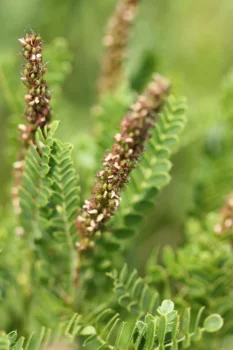
Dwarf false indigo is a compact, multi-stemmed perennial shrub that typically stays under 4-5 feet tall. Don’t let the false in its name fool you – there’s nothing fake about this plant’s value in the landscape. It’s a true prairie native that’s been quietly doing its job across North America’s grasslands for centuries.
This hardy little shrub features compound leaves that give it a delicate, almost fern-like appearance. But the real show happens in late spring and early summer when it produces dense, upright spikes of tiny purple flowers that practically buzz with pollinator activity.
Where Does It Call Home?
Dwarf false indigo is native to both Canada and the lower 48 states, with its natural range spanning the Great Plains and prairie regions. You’ll find it growing wild across Manitoba, Colorado, Iowa, Kansas, Minnesota, Nebraska, New Mexico, North Dakota, Oklahoma, and South Dakota.
- Species observed
- No observations
This wide distribution tells you something important: this plant is tough as nails and adaptable to various conditions across its range.
Why Your Garden (and Local Wildlife) Will Love It
Here’s where dwarf false indigo really shines. As a member of the legume family, it’s a pollinator magnet. Bees absolutely adore those purple flower spikes, and butterflies aren’t far behind. But the benefits don’t stop there – this plant is also incredibly low-maintenance once established.
The compact size makes it perfect for:
- Border plantings
- Prairie and native plant gardens
- Rock gardens
- Xeriscaping projects
- Naturalized areas where you want something prettier than weeds
Growing Conditions and Hardiness
One of the best things about dwarf false indigo is how undemanding it is. This plant thrives in USDA hardiness zones 2-7, making it suitable for gardeners across most of the northern United States and southern Canada.
It prefers:
- Full sun (at least 6 hours daily)
- Well-draining soil (sandy or rocky soils are actually preferred)
- Dry to medium moisture levels
The wetland status varies by region, but generally, this plant prefers upland conditions and rarely occurs in wetlands. Translation: it doesn’t like wet feet and will thrive in those challenging dry spots in your garden.
Planting and Care Tips
Getting dwarf false indigo established is pretty straightforward. Plant it in spring after the last frost, giving it plenty of space since it may spread slowly via underground rhizomes – think of it as a polite spreader rather than an aggressive colonizer.
Here’s your care roadmap:
- Watering: Water regularly the first year until established, then it’s largely drought-tolerant
- Fertilizing: Skip it – this prairie native actually prefers lean soils
- Pruning: Minimal pruning needed; remove dead wood in late winter if desired
- Mulching: A light layer is fine, but don’t overdo it
The Bottom Line
Dwarf false indigo might not be the flashiest plant at the garden center, but it’s exactly the kind of reliable, native workhorse that makes gardening easier and more rewarding. It’s drought-tolerant, cold-hardy, pollinator-friendly, and requires virtually no maintenance once established.
If you’re trying to create a more sustainable, low-maintenance landscape that supports local ecosystems, dwarf false indigo deserves a spot on your plant list. Your local bees will thank you, and your future self will appreciate having one less plant to fuss over.