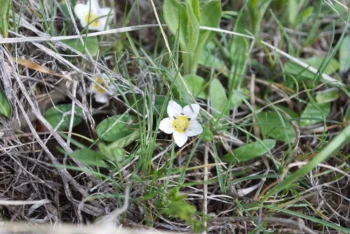
Dwarf Hesperochiron: A Tiny Treasure for Western Native Gardens
If you’re looking for a charming native groundcover that won’t take over your garden, meet dwarf hesperochiron (Hesperochiron pumilus). This diminutive wildflower might not win any height contests, but what it lacks in stature, it makes up for in delicate beauty and low-maintenance appeal.
What Is Dwarf Hesperochiron?
Dwarf hesperochiron is a perennial forb – essentially a non-woody flowering plant that returns year after year. True to its name, this little beauty stays close to the ground, forming neat rosettes of leaves that hug the earth. You might also encounter it listed under its botanical synonym, Hesperochiron villosulus, in older gardening references.
As a native plant species, dwarf hesperochiron calls both Canada and the lower 48 states home. You’ll find it naturally growing across an impressive range of western states and provinces, including British Columbia, Arizona, California, Colorado, Idaho, Montana, Nevada, Oregon, Utah, Washington, and Wyoming.
- Species observed
- No observations
Why Choose Dwarf Hesperochiron for Your Garden?
This native gem offers several compelling reasons to earn a spot in your landscape:
- Low maintenance: Once established, it’s quite drought tolerant and requires minimal care
- Native credentials: Supporting local ecosystems while reducing water needs
- Pollinator friendly: The small flowers attract native bees and beneficial flies
- Versatile placement: Works well in both wet and dry conditions thanks to its facultative wetland status
- Compact size: Perfect for small spaces or as a delicate accent
Garden Design and Landscape Role
Dwarf hesperochiron shines brightest in rock gardens, where its low-growing habit and delicate flowers create lovely textural contrast against stones and boulders. It’s also an excellent choice for native plant gardens, xeriscape designs, and naturalized areas where you want to recreate the look of wild western landscapes.
Consider using it as a groundcover in areas where you want something more interesting than grass but don’t need heavy foot traffic coverage. Its rosette form creates attractive patterns when planted in small groups.
Growing Conditions and Care
One of dwarf hesperochiron’s best qualities is its adaptability. This hardy perennial thrives in USDA hardiness zones 4-8, making it suitable for a wide range of climates across the western United States.
Soil requirements: Well-draining soil is essential. This plant doesn’t appreciate soggy conditions, so avoid heavy clay or areas that stay consistently wet.
Light needs: Full sun to partial shade works well, though it tends to flower more prolifically with adequate sunlight.
Water needs: Moderate water during establishment, then quite drought tolerant. Its facultative wetland status means it can handle both moist and dry conditions, but err on the side of less rather than more water.
Planting and Care Tips
Spring is the ideal time to plant dwarf hesperochiron. Here are some tips for success:
- Choose a location with good drainage – this is non-negotiable
- Space plants according to their mature spread (specific spacing will depend on your design goals)
- Water regularly the first season to help establish roots
- Once established, reduce watering significantly – overwatering is more harmful than underwatering
- Little to no fertilizer needed; native plants prefer lean soils
- Minimal pruning required; simply remove spent flowers if desired
Wildlife and Pollinator Benefits
While dwarf hesperochiron may be small, it punches above its weight when it comes to supporting wildlife. The delicate flowers provide nectar and pollen for small native bees and flies, making it a valuable addition to pollinator-friendly gardens. Every native plant you add helps create corridors and habitat for local wildlife, no matter how tiny the contribution might seem.
The Bottom Line
Dwarf hesperochiron might not be the showiest plant in your garden, but it’s definitely one of the most reliable and environmentally conscious choices you can make. If you’re looking to create a low-water, native landscape that supports local ecosystems while providing quiet beauty, this little charmer deserves serious consideration. Just remember: good drainage is key, and less is more when it comes to water and fertilizer. Sometimes the best gardens are filled with plants that know how to take care of themselves!