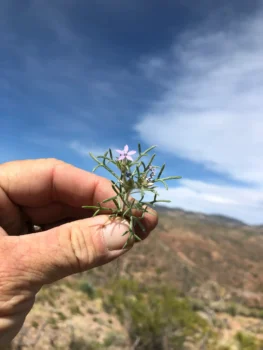
Dwarf Ipomopsis: A Tiny Native Wildflower with Big Garden Impact
Meet the dwarf ipomopsis (Ipomopsis pumila), a charming little native wildflower that proves good things really do come in small packages. This petite annual might not tower over your garden beds, but it more than makes up for its modest stature with delicate beauty and impressive resilience.
What Makes Dwarf Ipomopsis Special?
Also known by its botanical name Ipomopsis pumila (formerly classified as Gilia pumila), this native forb belongs to a group of plants that lack woody tissue but pack plenty of personality. As an annual, it completes its entire life cycle in just one growing season, making it perfect for gardeners who love seasonal variety.
The dwarf ipomopsis is a true western native, naturally occurring across eight states including Arizona, Colorado, Idaho, Montana, New Mexico, Texas, Utah, and Wyoming. This impressive range speaks to the plant’s adaptability and hardiness.
- Species observed
- No observations
Why Consider Adding Dwarf Ipomopsis to Your Garden?
If you’re looking to create an authentic native plant garden or support local ecosystems, dwarf ipomopsis deserves a spot on your planting list. Here’s why:
- Supports native pollinators with its tubular flowers that attract small bees and butterflies
- Requires minimal water once established, making it perfect for drought-tolerant landscapes
- Adds delicate texture and seasonal interest to wildflower gardens
- Helps preserve regional plant heritage
- Self-seeds readily, creating natural drifts over time
Perfect Garden Settings
Dwarf ipomopsis shines in specific garden situations where its natural growing preferences are met:
- Native plant gardens and prairie restorations
- Xerophytic (dry) gardens and rock gardens
- Wildflower meadows and naturalized areas
- Slopes and areas with excellent drainage
- Mixed borders where seasonal annuals add variety
Growing Dwarf Ipomopsis Successfully
The key to success with dwarf ipomopsis lies in mimicking its natural habitat. This little wildflower thrives in USDA hardiness zones 4-8, making it suitable for most temperate regions.
Ideal Growing Conditions
- Sunlight: Full sun is essential for best growth and flowering
- Soil: Well-draining sandy or gravelly soils; avoid heavy clay or constantly moist conditions
- Water: Drought tolerant once established; overwatering can be harmful
- pH: Adaptable to various pH levels, but prefers neutral to slightly alkaline soils
Planting and Care Tips
Growing dwarf ipomopsis is refreshingly straightforward once you understand its preferences:
- Direct seed in fall for spring germination, or sow in early spring after any frost danger passes
- Lightly cover seeds with no more than 1/4 inch of soil
- Keep soil slightly moist until germination occurs
- Once established, water sparingly – this plant actually prefers some drought stress
- No fertilization needed; rich soils can actually reduce flowering
- Allow plants to self-seed for natural colonies
Is Dwarf Ipomopsis Right for Your Garden?
This native gem works best for gardeners who appreciate subtle beauty and want to support local ecosystems. It’s not the showiest flower in the garden, but its delicate charm and ecological benefits make it a worthwhile addition to native plant collections.
Consider dwarf ipomopsis if you’re creating habitat for native pollinators, working with challenging dry sites, or simply want to grow something authentically regional. Just remember that as an annual, you’ll need to allow it to self-seed or replant each year to maintain its presence in your garden.
With minimal care requirements and maximum ecological benefits, dwarf ipomopsis proves that sometimes the smallest plants can make the biggest difference in creating a truly native landscape.