Dwarf Live Oak: A Compact Native Treasure for Southern Gardens
If you’re looking for a tough, low-maintenance native shrub that laughs in the face of coastal conditions, let me introduce you to the dwarf live oak (Quercus minima). This pint-sized member of the mighty oak family proves that good things really do come in small packages.
What Makes Dwarf Live Oak Special
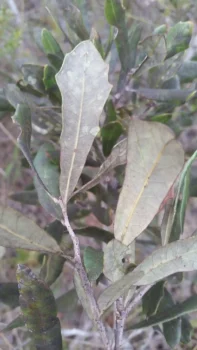
Don’t let the name fool you – while this oak stays compact compared to its towering cousins, it’s packed with personality. The dwarf live oak is a perennial, multi-stemmed woody shrub that typically reaches 4-5 feet in height, though it can occasionally grow taller under the right conditions. Its small, leathery leaves are glossy dark green on top with silvery-white undersides that shimmer beautifully in the breeze.
This tough little native is also known by the botanical name Quercus minima, and you might occasionally see it listed under its synonym Quercus virginiana var. minima.
Where Dwarf Live Oak Calls Home
This southeastern native has made itself at home across the coastal plains, naturally growing in Alabama, Florida, Georgia, Louisiana, Mississippi, North Carolina, and South Carolina. It thrives in USDA hardiness zones 8-10, making it perfect for gardeners in the warmer parts of the country.
- Species observed
- No observations
Important Conservation Note
Here’s something every responsible gardener should know: dwarf live oak has a rarity status of S2 in Alabama, meaning it’s considered imperiled in that state. If you decide to add this beauty to your garden, please make sure you source your plants responsibly from reputable native plant nurseries that propagate their own stock rather than wild-collecting.
Perfect Spots for Planting
Dwarf live oak is incredibly versatile and works wonderfully in several garden settings:
- Coastal gardens where salt tolerance is crucial
- Native plant gardens and naturalized landscapes
- Xeriscapes and drought-tolerant gardens
- Erosion control on slopes or sandy areas
- As a low hedge or border planting
Growing Conditions That Make It Happy
One of the best things about dwarf live oak is how easygoing it is once established. Here’s what it prefers:
- Sunlight: Full sun to partial shade
- Soil: Well-draining sandy soils (though it’s quite adaptable)
- Water: Drought tolerant once established
- Special powers: Salt tolerant, making it perfect for coastal areas
According to wetland classifications, this adaptable plant has a Facultative status in both the Atlantic and Gulf Coastal Plain and Eastern Mountains and Piedmont regions, meaning it can happily grow in both wetland and non-wetland conditions.
Planting and Care Made Simple
Getting your dwarf live oak off to a good start is refreshingly straightforward:
- Plant in well-draining soil (sandy is ideal, but it’s adaptable)
- Water regularly during the first year to help establish roots
- After establishment, it’s remarkably drought tolerant
- Pruning is rarely necessary – let it maintain its natural form
- Fertilizing isn’t needed if planted in decent soil
Wildlife and Ecological Benefits
While dwarf live oak is wind-pollinated rather than dependent on pollinators, it still plays an important role in the ecosystem. Like other oaks, it supports numerous insects that serve as food for birds and other wildlife. The small acorns it produces also provide food for various animals.
Why Choose Dwarf Live Oak
This native shrub hits the sweet spot for many gardeners: it’s beautiful, tough as nails, requires minimal care once established, and supports local ecosystems. Its compact size makes it perfect for smaller gardens, while its salt and drought tolerance make it invaluable for challenging coastal conditions.
Just remember to source your plants responsibly and enjoy watching this resilient native thrive in your garden while supporting local wildlife. Sometimes the best garden additions are the ones that have been quietly perfecting their act in your region for thousands of years!