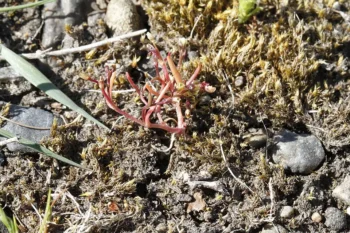
Dwarf Minerslettuce: A Tiny Native Treasure for Your Garden
If you’re looking for a charming, low-maintenance native plant that doesn’t demand center stage, dwarf minerslettuce might just be your new garden companion. This petite annual forb (Montia dichotoma) proves that sometimes the smallest plants pack the biggest punch when it comes to natural beauty and ecological value.
What is Dwarf Minerslettuce?
Dwarf minerslettuce is a delicate annual forb native to western North America. You might also encounter it under its former scientific names, Claytonia dichotoma or Montiastrum dichotomum, but don’t let the name changes fool you – this little plant has remained consistently wonderful throughout its taxonomic journey.
As an annual, dwarf minerslettuce completes its entire life cycle in one growing season, making it a perfect choice for gardeners who enjoy seasonal variety and don’t mind replanting each year.
Where Does It Come From?
This native beauty calls the western regions of North America home, naturally occurring across British Columbia, California, Idaho, Montana, Oregon, and Washington. Its wide distribution speaks to its adaptability – a trait that makes it an excellent garden candidate.
- Species observed
- No observations
Why You’ll Love Growing Dwarf Minerslettuce
Aesthetic Appeal
Don’t let its diminutive size fool you – dwarf minerslettuce brings subtle elegance to any garden space. The plant produces tiny, delicate white to pale pink flowers that seem to float above its succulent-like foliage. Its low-growing, mat-forming habit creates a lovely carpet effect that’s perfect for filling in gaps between larger plants or cascading over rock walls.
Garden Role and Design Uses
Dwarf minerslettuce shines in several garden settings:
- Rock gardens where its small stature won’t be overwhelmed
- Native plant gardens as an authentic regional species
- Naturalistic landscapes that mimic wild plant communities
- Ground cover in areas where you want subtle, seasonal interest
- Container gardens for a delicate, textural element
Pollinator and Wildlife Benefits
While small, dwarf minerslettuce’s flowers are perfectly sized for tiny pollinators like small native bees and flies. These little visitors appreciate having appropriately-sized blooms to work with, and your garden will benefit from supporting these often-overlooked members of the pollinator community.
Growing Conditions and Care
USDA Hardiness Zones
Dwarf minerslettuce thrives in USDA hardiness zones 3-9, making it suitable for a wide range of climates across its native territory.
Preferred Growing Conditions
This adaptable little plant is fairly easy to please:
- Light: Partial shade to full sun
- Soil: Well-draining soil is essential – soggy conditions are not its friend
- Water: Moderate to low water once established
- Soil type: Adaptable to various soil types as long as drainage is good
Wetland Tolerance
Dwarf minerslettuce has a facultative wetland status, meaning it can handle both wet and dry conditions. This flexibility makes it useful for transitional areas in your landscape where moisture levels might vary seasonally.
Planting and Care Tips
Growing dwarf minerslettuce is refreshingly straightforward:
- Seeding: Direct sow seeds in fall or early spring when soil temperatures are cool
- Spacing: Scatter seeds lightly – these plants will find their own perfect spacing
- Establishment: Keep soil lightly moist until germination occurs
- Maintenance: Once established, this plant is remarkably self-sufficient
- Self-seeding: Allow some plants to go to seed for natural reseeding next year
Is Dwarf Minerslettuce Right for Your Garden?
Consider adding dwarf minerslettuce to your garden if you:
- Appreciate subtle, delicate beauty over bold statements
- Want to support native plant communities
- Need a low-maintenance ground cover
- Enjoy seasonal variety in your plantings
- Have well-draining soil and don’t want to fuss with complicated care routines
However, this might not be your best choice if you’re looking for:
- A permanent, long-lived perennial
- Bold, showy flowers that grab attention
- A plant that thrives in constantly wet conditions
Dwarf minerslettuce may be small, but it offers big rewards for gardeners who appreciate native plants and naturalistic beauty. Its easy-going nature and ecological benefits make it a wonderful addition to western gardens, proving that sometimes the most unassuming plants are exactly what our landscapes need.