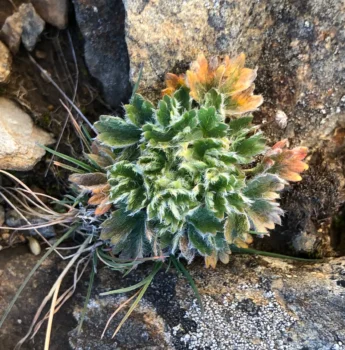
Dwarf Mountain Cinquefoil: A Rare Alpine Treasure Worth Protecting
Meet one of New England’s rarest botanical gems: the dwarf mountain cinquefoil (Potentilla robbinsiana). This tiny alpine wildflower might be small in stature, but it’s huge in conservation importance. Before you start planning where to plant this beauty in your garden, though, there’s something crucial you need to know about its incredibly rare status.
What Makes Dwarf Mountain Cinquefoil Special?
The dwarf mountain cinquefoil is a perennial forb – basically a non-woody herbaceous plant that comes back year after year. Despite its diminutive size, this little powerhouse has adapted to survive in some of the harshest conditions imaginable. With delicate white, five-petaled flowers and a low-growing, cushion-like form, it’s perfectly designed for life in the alpine zone.
Where Does It Call Home?
Here’s where things get really interesting (and concerning): this native plant species is found in only one place in the entire United States – New Hampshire’s White Mountains, specifically on Mount Washington. That’s right, this entire species calls just one mountain home, making it one of the rarest plants in North America.
- Species observed
- No observations
Conservation Status: A Critical Situation
The dwarf mountain cinquefoil carries a Global Conservation Status of S1, which means it’s critically imperiled. This classification indicates there are typically five or fewer occurrences of the plant, with fewer than 1,000 individual plants remaining in the wild. This isn’t just rare – it’s on the edge of extinction.
Important: Due to its critically endangered status, we strongly recommend against attempting to grow this plant unless you have access to ethically and responsibly sourced material, which is extremely unlikely to be available commercially.
Growing Conditions: Not Your Average Garden Plant
Even if conservation weren’t a concern, dwarf mountain cinquefoil would be nearly impossible to grow in typical garden settings. This alpine specialist thrives in:
- Extreme cold and wind exposure
- Poor, rocky soils with excellent drainage
- Very short growing seasons
- High elevation conditions (alpine tundra)
- USDA hardiness zones 2-4
These specialized requirements make it unsuitable for most home gardens, even alpine rock gardens.
Wildlife and Pollinator Benefits
While specific pollinator relationships aren’t well-documented due to the plant’s rarity, dwarf mountain cinquefoil likely provides nectar and pollen for specialized alpine insects during its brief flowering period. Every individual plant plays a crucial role in maintaining the delicate alpine ecosystem where it grows.
Better Alternatives for Your Garden
Instead of attempting to grow this rare species, consider these more common and garden-friendly native Potentilla alternatives:
- Common cinquefoil (Potentilla simplex) – great groundcover for sunny areas
- Shrubby cinquefoil (Potentilla fruticosa) – beautiful flowering shrub
- Three-toothed cinquefoil (Potentilla tridentata) – excellent for rock gardens
How You Can Help
The best way to support dwarf mountain cinquefoil is through conservation efforts rather than cultivation. Consider:
- Supporting organizations that protect alpine habitats
- Practicing Leave No Trace principles when hiking in the White Mountains
- Choosing common native alternatives for your garden
- Spreading awareness about rare plant conservation
The Bottom Line
While dwarf mountain cinquefoil is undoubtedly a fascinating and beautiful native plant, it’s not meant for our gardens. Its extreme rarity and specialized habitat requirements make it both unsuitable for cultivation and too precious to disturb. Instead, let’s admire this remarkable plant from afar and focus our gardening efforts on the many other wonderful native species that are both garden-appropriate and readily available. After all, the best way to honor rare plants like dwarf mountain cinquefoil is to help ensure they continue to thrive in their natural homes for generations to come.