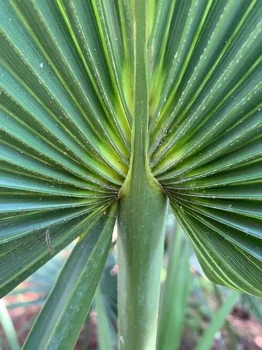
Dwarf Palmetto: The Perfect Native Palm for Southeastern Gardens
Looking for a palm that won’t tower over your house or require you to hire a tree service every few years? Meet the dwarf palmetto (Sabal minor), a charming native palm that brings tropical flair to your garden without the drama of its taller cousins. This understated beauty might just be the perfect palm you never knew you needed.
What Makes Dwarf Palmetto Special?
The dwarf palmetto is a true native treasure, naturally occurring across the southeastern United States. You’ll find it growing wild in Alabama, Arkansas, Florida, Georgia, Louisiana, Mississippi, North Carolina, Oklahoma, South Carolina, and Texas. Unlike many ornamental palms that hail from far-off places, this one has been calling the American South home for centuries.
- Species observed
- No observations
As a perennial shrub, the dwarf palmetto typically grows as a multi-stemmed woody plant, though it can occasionally surprise you with a single trunk. Don’t let the name fool you – while it’s dwarf compared to other palms, it can still reach up to 9 feet tall at maturity, though it usually stays around 4 feet after 20 years thanks to its famously slow growth rate.
Why Your Garden Will Love Dwarf Palmetto
This palm brings serious aesthetic appeal with its distinctive fan-shaped leaves in an attractive gray-green color. The coarse-textured foliage creates dense coverage year-round, making it an excellent choice for adding structure and tropical ambiance to your landscape. Plus, those white flowers that appear in late spring? While they might not stop traffic, they’re doing important work attracting pollinators like bees.
The dwarf palmetto shines in several landscape roles:
- Understory accent in naturalistic gardens
- Coastal landscape specimen (it handles salt spray well)
- Rain garden component thanks to its love of moisture
- Native plant garden anchor
- Low-maintenance foundation planting
Perfect Growing Conditions
Here’s where the dwarf palmetto really shows its easy-going nature. This palm is classified as a facultative wetland plant, meaning it absolutely loves wet conditions but won’t throw a tantrum if things dry out occasionally. It thrives in USDA hardiness zones 7b through 10, handling temperatures down to about 7°F.
Your dwarf palmetto will be happiest with:
- Moist, well-draining soil (though it tolerates wet feet better than most)
- Fine to medium-textured soils
- Slightly acidic conditions (pH 5.5-6.5)
- Partial to full shade (it’s quite shade tolerant!)
- High moisture and humidity
- Protection from harsh, drying winds
Planting and Care Made Simple
The good news? Dwarf palmetto is commercially available and can be propagated by seed, bare root, or container. You can plant 50-100 per acre if you’re going for a naturalistic look, though most home gardeners will want just one or a few specimens.
Care couldn’t be easier:
- Water regularly, especially during establishment
- Mulch around the base to retain moisture
- Fertilize lightly if needed (it has low fertility requirements)
- Prune only dead or damaged fronds
- Be patient – this is a slow grower with moderate seedling vigor
The plant is fire-resistant and doesn’t resprout after cutting, so place it thoughtfully from the start.
Wildlife Benefits
While dwarf palmetto might not be the main course on the wildlife buffet, it does provide modest benefits to local fauna. Large animals, small mammals, and terrestrial birds all use it for about 2-5% of their diet and find sparse cover among its fronds. The black fruits that appear in fall and winter add a little extra food source to the ecosystem.
Is Dwarf Palmetto Right for You?
Consider adding dwarf palmetto to your garden if you:
- Want a truly native palm species
- Have a moist, shady spot that needs structure
- Love low-maintenance plants
- Are designing a coastal or rain garden
- Want to support local pollinators
- Prefer plants that won’t outgrow their space quickly
The dwarf palmetto proves that sometimes the best plants are the ones that have been quietly thriving in your region all along. With its architectural beauty, easy care requirements, and authentic native credentials, this little palm deserves a spot in more southeastern gardens. Just remember to be patient – good things (and slow-growing palms) take time!