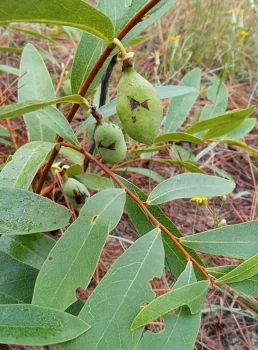
Dwarf Pawpaw: The Tiny Native Treasure You’ve Never Heard Of
Meet the dwarf pawpaw (Asimina pygmea), a delightful little native shrub that’s like the pocket-sized cousin of the more famous pawpaw tree. Don’t let its diminutive stature fool you – this pint-sized perennial packs a punch when it comes to native gardening appeal!
What Makes Dwarf Pawpaw Special?
This charming native species is truly American-made, calling the southeastern United States home. You’ll find wild populations thriving in Florida and Georgia, where they’ve been quietly doing their thing in sandy coastal plain habitats for centuries. As a bonafide native plant, the dwarf pawpaw has evolved alongside local wildlife and climate conditions, making it a smart choice for eco-conscious gardeners.
Botanically known as Asimina pygmea (and sometimes listed under the synonym Pityothamnus pygmeus), this little shrub stays refreshingly compact. We’re talking about a plant that typically maxes out at just 1.5 feet tall, though it can occasionally reach up to 3 feet if it’s feeling particularly ambitious. Its low-growing, spreading habit makes it perfect for situations where you need something substantial but not overwhelming.
- Species observed
- No observations
Why You’ll Want to Plant Dwarf Pawpaw
Here’s where things get interesting. The dwarf pawpaw offers several compelling reasons to earn a spot in your garden:
- True native credentials: Supporting local ecosystems has never been easier
- Compact size: Perfect for small spaces, borders, or as groundcover
- Unique flowers: Small white to cream-colored blooms in spring add subtle charm
- Wildlife value: Attracts specialized pollinators like flies and beetles
- Low maintenance: Once established, it’s remarkably self-sufficient
- Edible bonus: Produces small, edible fruits (though don’t expect a feast!)
Perfect Garden Settings
The dwarf pawpaw isn’t your typical suburban foundation plant – and that’s exactly what makes it special! This little native shines in:
- Native plant gardens where authenticity matters
- Wildlife-friendly landscapes
- Coastal or sandy soil gardens
- Xerophytic (drought-tolerant) landscapes
- Naturalized areas where you want something low and spreading
- Specialty collector gardens featuring unusual natives
Growing Conditions and Care
Here’s the scoop on keeping your dwarf pawpaw happy. This little native is surprisingly specific about its preferences, but once you get it right, it’s smooth sailing.
Climate zones: Hardy in USDA zones 8b through 10a, which makes sense given its southeastern heritage.
Soil requirements: Think sandy and well-draining – this plant has zero tolerance for soggy feet. Its facultative upland status means it usually prefers non-wetland conditions, though it can occasionally handle some moisture.
Light needs: Full sun to partial shade works well, though it tends to be happiest with plenty of bright light.
Water requirements: Drought tolerant once established, but appreciate occasional watering during prolonged dry spells.
Planting and Care Tips
Ready to give dwarf pawpaw a try? Here’s your game plan:
- Drainage is everything: Amend heavy soils with sand or plant on a slight slope
- Start small: This is naturally a slow grower, so patience is key
- Mulch wisely: A light layer of organic mulch helps retain moisture without creating soggy conditions
- Minimal fertilization: Native plants typically don’t need heavy feeding
- Give it space: While compact, it does spread, so plan accordingly
The Bottom Line
Dwarf pawpaw might not be the showiest plant in your garden, but it offers something increasingly valuable: authentic native character in a perfectly manageable package. If you’re gardening in its native range and have the right growing conditions – particularly that crucial sandy, well-draining soil – this little shrub could be exactly the unique native element your landscape has been missing.
Just remember, this isn’t a plant for every situation. Its specific soil requirements and limited geographic range mean it’s definitely a specialty choice. But for the right gardener in the right location, the dwarf pawpaw offers a chance to grow something truly special – a genuine piece of southeastern American botanical heritage, sized just right for modern gardens.