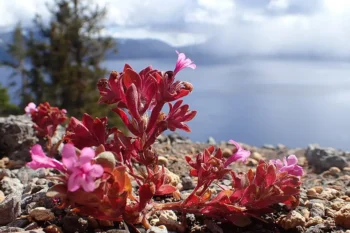
Dwarf Purple Monkeyflower: A Charming Native Annual for Western Gardens
If you’re looking for a delightful native wildflower that packs a colorful punch in a petite package, meet the dwarf purple monkeyflower (Mimulus nanus). This charming little annual might be small in stature, but it’s big on personality and perfect for gardeners who want to support local ecosystems while adding natural beauty to their landscapes.
What Makes Dwarf Purple Monkeyflower Special?
The dwarf purple monkeyflower is a true western native, naturally occurring across eight states: California, Colorado, Idaho, Montana, Nevada, Oregon, Washington, and Wyoming. As an annual forb (a non-woody flowering plant), it completes its entire life cycle in just one growing season, making it a fast-growing addition to your garden with a rapid growth rate.
This petite powerhouse reaches only about half a foot in height, forming multiple stems in an erect, upright growth pattern. Don’t let its small size fool you—what it lacks in height, it makes up for in visual impact with its vibrant red to purple tubular flowers that bloom conspicuously during late spring.
- Species observed
- No observations
Garden Design and Landscape Uses
The dwarf purple monkeyflower shines in several garden settings:
- Rock gardens: Its compact size and drought tolerance make it perfect for tucking into crevices and small spaces
- Alpine gardens: Naturally adapted to mountain conditions, it thrives in well-draining, rocky soils
- Wildflower meadows: Adds authentic western character to naturalized plantings
- Drought-tolerant landscapes: Requires minimal water once established
- Ground cover: Creates colorful carpets in appropriate conditions
Pollinator and Wildlife Benefits
Those cheerful tubular flowers aren’t just pretty—they’re pollinator magnets! The blooms attract bees, butterflies, and even hummingbirds, making this little plant a valuable contributor to local ecosystems. By choosing native plants like dwarf purple monkeyflower, you’re supporting the intricate web of relationships that keep our natural communities healthy.
Growing Conditions and Care
One of the best things about dwarf purple monkeyflower is how adaptable it can be, while still having some specific preferences:
Soil Requirements
- Prefers fine to medium-textured soils
- Needs well-draining conditions (not suitable for coarse, sandy soils)
- Tolerates pH levels between 6.5-7.5
- Low fertility requirements—no need for rich, heavily amended soils
Water and Climate Needs
- Medium drought tolerance once established
- Low moisture requirements (annual precipitation of 10-40 inches)
- Requires at least 120 frost-free days
- Can tolerate temperatures down to 32°F
- USDA Hardiness Zones 4-8
Light Requirements
This sun-loving plant is shade intolerant, so make sure to plant it in full sun locations for best performance.
Planting and Propagation Tips
Growing dwarf purple monkeyflower from seed is your best bet, as it’s not typically available commercially and doesn’t propagate well through other methods:
- Seed starting: With about 20 million seeds per pound, a little goes a long way!
- Planting density: Space plants to achieve 2,700-4,800 plants per acre
- Germination: Seeds have medium vigor and spread rapidly once established
- No cold stratification: Seeds don’t require winter chilling to germinate
- Timing: Plant in early spring for late spring blooms
Seasonal Interest and Maintenance
The dwarf purple monkeyflower has a concentrated season of interest during spring and summer when its active growth and flowering occur. The green foliage provides a nice backdrop for the showy red flowers, and the medium-textured leaves remain porous throughout the growing season.
As an annual, this plant requires minimal maintenance—simply allow it to complete its lifecycle and collect seeds in summer through fall if you want to encourage natural reseeding for next year’s display.
Why Choose Native?
By choosing dwarf purple monkeyflower, you’re not just adding beauty to your garden—you’re making an environmentally conscious choice. Native plants like this one are adapted to local conditions, require fewer resources once established, and support the wildlife that has evolved alongside them for thousands of years.
Whether you’re creating a drought-tolerant landscape, adding authentic western character to your garden, or simply want to support local pollinators, the dwarf purple monkeyflower offers a perfect combination of low-maintenance charm and ecological value. This little native gem proves that sometimes the smallest plants can make the biggest impact!