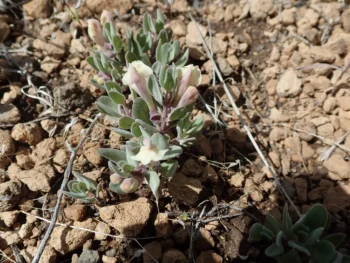
Dwarf Skullcap: A Tiny Native Treasure for Western Gardens
Meet the dwarf skullcap (Scutellaria nana), a petite perennial that’s as charming as its name suggests! This little native gem might be small in stature, but it packs a big punch when it comes to adding authentic western character to your garden. If you’re looking for a low-maintenance native plant that stays true to its regional roots, this diminutive beauty might just be your new gardening crush.
What Makes Dwarf Skullcap Special?
Dwarf skullcap is a herbaceous perennial forb – which is just a fancy way of saying it’s a non-woody flowering plant that comes back year after year. As a member of the mint family, it shares that family’s reputation for being both attractive and relatively easy-going once established.
This native wildflower calls the western United States home, naturally occurring in California, Idaho, Nevada, and Oregon. It’s perfectly adapted to the unique growing conditions of these regions, making it an excellent choice for gardeners who want to work with nature rather than against it.
- Species observed
- No observations
A Word About Rarity
Before we dive into growing tips, there’s something important to know: dwarf skullcap has a conservation status that suggests it may be uncommon in the wild. If you decide to add this plant to your garden, please make sure you’re purchasing from reputable nurseries that propagate their plants responsibly rather than collecting from wild populations.
Garden Appeal and Design Uses
While dwarf skullcap might not be the showiest plant in your garden, it brings a subtle, authentic charm that’s hard to replicate with non-native alternatives. Its compact growth habit makes it perfect for:
- Rock gardens and alpine collections
- Native plant landscapes
- Xerophytic (drought-tolerant) garden designs
- Ground cover in appropriate climates
- Wildlife-friendly garden borders
Growing Conditions and Care
One of the best things about native plants like dwarf skullcap is that they’re naturally suited to local growing conditions. Here’s what this little plant typically prefers:
Sunlight: Full sun to partial shade
Soil: Well-draining, rocky or sandy soils
Water: Low to moderate water needs once established
Climate: Hardy in USDA zones 5-9 (estimated based on native range)
Planting and Care Tips
Getting dwarf skullcap established in your garden doesn’t require a green thumb, just a little patience and the right approach:
- Plant in spring or fall when temperatures are moderate
- Choose a location with excellent drainage – soggy soils are this plant’s nemesis
- Water regularly during the first growing season to help establish roots
- Once established, reduce watering and let natural rainfall do most of the work
- Avoid over-fertilizing, as native plants often prefer lean soils
Wildlife and Pollinator Benefits
Like many members of the mint family, dwarf skullcap likely provides nectar and pollen for various small pollinators, including native bees. By choosing native plants like this one, you’re supporting local ecosystems and providing food sources that native wildlife have depended on for thousands of years.
Is Dwarf Skullcap Right for Your Garden?
Dwarf skullcap is an excellent choice if you:
- Live within its native range (California, Idaho, Nevada, or Oregon)
- Want to create authentic native plant landscapes
- Prefer low-maintenance, drought-tolerant plants
- Have well-draining, rocky, or sandy soil conditions
- Want to support local pollinators and wildlife
However, it might not be the best fit if you’re looking for a bold, showy focal point or if you have heavy, clay soils with poor drainage.
The Bottom Line
Dwarf skullcap may be small, but it’s a perfect example of how native plants can add authentic regional character to your landscape while supporting local ecosystems. Just remember to source your plants responsibly, and you’ll have a charming, low-maintenance addition to your western garden that truly belongs in your local landscape.