Dwarf Spikerush: The Tiny Wetland Workhorse Your Garden Might Need
If you’re looking for a plant that screams look at me! from across the garden, dwarf spikerush (Eleocharis parvula) probably isn’t your guy. But if you need a reliable, native ground cover that thrives in those soggy spots where other plants fear to tread, this little sedge might just become your new best friend.
What Is Dwarf Spikerush?
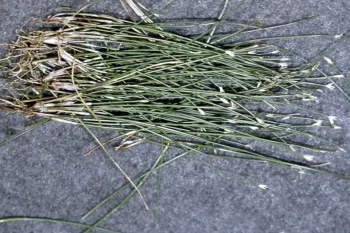
Dwarf spikerush is a small, grass-like sedge that’s part of the Cyperaceae family. Despite its common name, it’s not actually a rush or a grass – it’s a sedge, which you can remember by the old botanist’s rhyme: sedges have edges (referring to their triangular stems). This petite plant typically grows to about 1.2 feet tall and has thin, needle-like green stems that create a fine-textured carpet.
As both an annual and perennial (depending on growing conditions), dwarf spikerush has a moderate growth rate and spreads through underground stolons, creating dense mats over time. It blooms in mid-summer with small, inconspicuous green flowers that won’t win any beauty contests but serve their purpose in the plant world.
Where Does Dwarf Spikerush Call Home?
This adaptable native is truly a North American success story. Dwarf spikerush is native to Canada, the lower 48 states, and even St. Pierre and Miquelon. You can find it growing naturally from British Columbia to Newfoundland in Canada, and from coast to coast in the United States – that’s nearly every state and province you can think of!
- Species observed
- No observations
The Wetland Specialist
Here’s where dwarf spikerush really shines: it’s what botanists call an obligate wetland plant across all regions of North America. This means it almost always occurs in wetlands and has a high tolerance for anaerobic (oxygen-poor) conditions that would spell doom for most garden plants. Think of it as nature’s solution for those perpetually soggy spots in your landscape.
Why You Might Want Dwarf Spikerush
Let’s be honest – dwarf spikerush isn’t going to win any most beautiful plant awards. But here’s why you might want to consider it:
- Erosion control: Those spreading stolons create an excellent root system for stabilizing soil along pond edges, stream banks, or wet swales
- Rain garden superstar: Perfect for rain gardens where you need plants that can handle both wet and dry periods
- Low maintenance: Once established, it pretty much takes care of itself
- Native credentials: Supporting local ecosystems by choosing native plants
- Wetland restoration: Essential for anyone involved in wetland restoration projects
Growing Conditions and Care
Dwarf spikerush is surprisingly adaptable when it comes to soil types – it’ll grow in coarse, medium, or fine-textured soils as long as they stay consistently moist to wet. Here are the key growing requirements:
- Sunlight: Full sun (shade intolerant)
- Soil pH: 6.0 to 8.0
- Moisture: Consistently wet conditions; drought tolerance is essentially nonexistent
- Temperature: Hardy to -38°F, suitable for USDA zones 3-9
- Soil salinity: Medium tolerance, making it useful near roadsides where salt spray occurs
Planting and Propagation
The good news is that dwarf spikerush is routinely available commercially, so you shouldn’t have trouble finding it. You can establish it through several methods:
- Seed: Though seed abundance is low and seedling vigor is also low
- Bare root plants: Often the most practical option
- Sprigs: Small pieces of the plant with roots attached
- Tubers: Underground storage organs that can be divided
Plant density should be between 2,700 to 4,800 plants per acre for restoration projects. For home gardens, space plants about 6-12 inches apart and be patient – the vegetative spread rate is rapid once established, but it takes time to get going.
What to Expect
Don’t expect instant gratification with dwarf spikerush. The seeds spread slowly, and seedlings start out with low vigor. However, once the plants establish their root systems and begin spreading vegetatively, they’ll fill in relatively quickly. The active growing period is during summer and fall, and the foliage remains porous year-round.
The Bottom Line
Dwarf spikerush isn’t for everyone, and that’s okay. If you’re looking for showy flowers or dramatic foliage, keep looking. But if you have a wet area that needs stabilizing, you’re creating a rain garden, or you’re involved in wetland restoration, this humble little sedge could be exactly what you need. It’s a true native that does its job quietly and efficiently – sometimes that’s exactly the kind of plant a garden needs.
Just remember to keep it contained if you don’t want it spreading throughout your entire wet area. Those stolons are efficient at their job, and dwarf spikerush can be quite the little colonizer once it gets established!