Dwarf Umbrella-Sedge: A Tiny Wetland Wonder for Your Garden
If you’re looking to create a naturalistic wetland garden or need a plant that thrives in consistently soggy conditions, dwarf umbrella-sedge (Fuirena pumila) might just be the unassuming hero your landscape needs. This petite native sedge may not win any beauty contests, but it plays an important ecological role and could be perfect for those tricky wet spots in your yard.
What Is Dwarf Umbrella-Sedge?
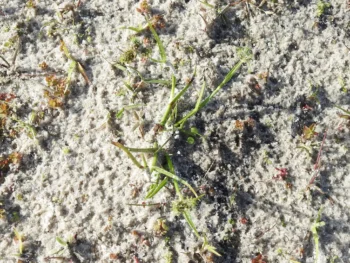
Dwarf umbrella-sedge is a small, grass-like annual plant that belongs to the sedge family (Cyperaceae). Don’t let the name fool you – this isn’t actually a grass, though it looks quite similar. Like other sedges, it has that distinctive triangular stem that gardeners love to remember with the phrase sedges have edges. You might also encounter this plant under its botanical synonyms Fuirena squarrosa var. pumila or Fuirena torreyana in older gardening references.
Where Does It Naturally Grow?
This charming little sedge is native to both Canada and the lower 48 states, with a natural range spanning from Ontario down to Florida and west to Texas. You can find it naturally occurring across a wide swath of eastern North America, including Alabama, Arkansas, Connecticut, Delaware, Florida, Georgia, Illinois, Indiana, Louisiana, Maryland, Massachusetts, Michigan, Mississippi, New Jersey, New York, North Carolina, Rhode Island, South Carolina, Texas, Virginia, and Wisconsin.
- Species observed
- No observations
A Important Conservation Note
Before you rush to plant dwarf umbrella-sedge, there’s something important to know: this species is considered historically present (SH status) in Arkansas, meaning it may be quite rare there. If you live in Arkansas or suspect this plant might be uncommon in your area, please make sure to source your plants or seeds responsibly from reputable native plant suppliers rather than collecting from wild populations.
Growing Conditions and Care
Here’s where dwarf umbrella-sedge gets really interesting – it’s what botanists call an obligate wetland plant. This fancy term simply means it almost always needs wet conditions to survive and thrive. If you have a spot in your garden that stays consistently moist or even soggy, this could be your plant!
Key growing requirements include:
- Full sun to partial shade
- Consistently moist to wet soil conditions
- Tolerance for seasonal flooding
- USDA hardiness zones 4-9
- Annual lifecycle requiring yearly reestablishment
Perfect for Specialized Gardens
While dwarf umbrella-sedge might not be the star of a traditional perennial border, it shines in specialized garden settings:
- Rain gardens: Excellent for managing stormwater runoff
- Wetland restoration projects: Helps recreate natural wetland ecosystems
- Pond and stream edges: Provides natural-looking borders for water features
- Bog gardens: Perfect for those challenging constantly wet areas
What About Wildlife and Pollinators?
As a wind-pollinated plant, dwarf umbrella-sedge won’t attract butterflies and bees the way showy flowers do. However, it does provide valuable habitat structure in wetland ecosystems and can offer shelter and nesting sites for small wildlife. In naturalistic plantings, it contributes to the overall ecosystem health that benefits many creatures.
Should You Plant It?
Dwarf umbrella-sedge is an excellent choice if:
- You have consistently wet or boggy areas in your landscape
- You’re creating a rain garden or wetland restoration project
- You want to support native plant diversity
- You appreciate subtle, naturalistic beauty over flashy flowers
However, this plant might not be for you if you’re looking for a low-maintenance perennial or something with showy ornamental appeal. As an annual, it will need to reseed itself each year, and its modest appearance won’t provide the dramatic impact of larger ornamental plants.
Planting and Care Tips
Getting started with dwarf umbrella-sedge is relatively straightforward:
- Plant seeds in spring when soil temperatures warm
- Ensure planting area stays consistently moist throughout the growing season
- Allow plants to set seed naturally for next year’s generation
- Minimal fertilization needed – these plants are adapted to nutrient-poor wetland conditions
- Once established, maintenance is minimal beyond ensuring adequate moisture
Remember, as an annual plant, dwarf umbrella-sedge completes its entire lifecycle in one growing season. The key to long-term success is creating conditions that allow it to self-seed and establish new plants each year.
The Bottom Line
While dwarf umbrella-sedge may not be the most glamorous addition to your garden, it’s a valuable native plant that deserves consideration, especially if you’re working with challenging wet conditions. Its ecological benefits and specialized growing requirements make it perfect for gardeners interested in supporting native ecosystems and managing difficult soggy spots in their landscapes. Just remember to source it responsibly, particularly if you’re in Arkansas where it may be quite rare!