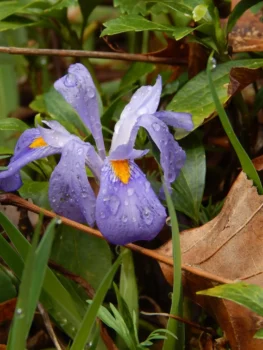
Dwarf Violet Iris: A Charming Native Groundcover for Woodland Gardens
If you’re looking to add some early spring magic to your woodland garden, the dwarf violet iris (Iris verna var. smalliana) might just be the perfect addition. This petite native beauty brings a splash of purple-blue color to shady spots when most other plants are still snoozing through winter.
Meet the Dwarf Violet Iris
Don’t let the name fool you – while this little iris may be small in stature, it’s big on charm. As a native perennial forb, this herbaceous plant lacks woody stems but makes up for it with delicate, eye-catching blooms that appear in early spring. Think of it as nature’s way of saying spring is here! before the daffodils even think about showing up.
Where It Calls Home
The dwarf violet iris is a true native of the eastern United States, naturally occurring across a impressive range of states including Alabama, Arkansas, Georgia, Kentucky, Mississippi, Missouri, New York, North Carolina, Ohio, Pennsylvania, South Carolina, Tennessee, Virginia, and West Virginia. This wide distribution shows just how adaptable this little beauty can be.
- Species observed
- No observations
A Word About Rarity
Here’s something important to know: in Arkansas, this iris has a rarity status of S2, meaning it’s considered imperiled in that state. If you’re planning to add this plant to your garden, please make sure you source it responsibly from reputable nurseries rather than collecting from the wild. By choosing nursery-grown plants, you’re helping protect wild populations while still enjoying this lovely native in your own space.
Why Your Garden (and Local Wildlife) Will Love It
The dwarf violet iris isn’t just a pretty face – it’s a hardworking member of the garden community. Here’s why it deserves a spot in your landscape:
- Early spring blooms provide crucial nectar for emerging pollinators
- Low-growing habit makes it perfect as a woodland groundcover
- Native status means it supports local ecosystems
- Naturalizes well in appropriate conditions
- Adds authentic regional character to native plant gardens
Perfect Garden Companions
This iris shines brightest in woodland gardens and shaded native plant landscapes. It’s the ideal choice for gardeners who want to create authentic regional ecosystems or simply add some native charm to shady spots. The dwarf violet iris works beautifully in naturalized areas where it can spread and form colonies over time.
Growing Your Dwarf Violet Iris
Good news for busy gardeners – once established, this native beauty is refreshingly low-maintenance. Here’s how to keep it happy:
Location and Conditions
- Plant in partial shade to full shade
- Provide moist, well-drained soil with acidic pH
- Woodland conditions with organic-rich soil work best
- Hardy in USDA zones 5-9
Planting and Care Tips
- Plant in early fall or early spring
- Space plants about 6-8 inches apart
- Apply a layer of organic mulch to retain moisture
- Water regularly during the first growing season
- Divide clumps every 3-4 years to prevent overcrowding
- Add compost annually to maintain soil fertility
The Bottom Line
The dwarf violet iris offers gardeners a chance to grow a truly special native plant that supports local wildlife while adding unique beauty to woodland spaces. Its early spring blooms, low-maintenance nature, and ecological value make it a winner for anyone interested in sustainable, native gardening. Just remember to source your plants responsibly – our wild populations will thank you for it!
Whether you’re creating a native plant sanctuary or simply want to add some authentic regional charm to your shady spots, this little iris proves that sometimes the most delightful garden additions come in small packages.