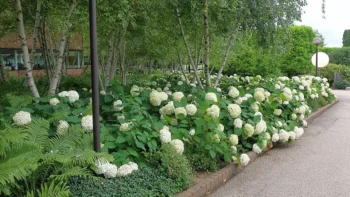
Dwarf White Birch: The Perfect Birch for Small Spaces
If you’ve ever dreamed of having a classic white birch in your garden but worried about space constraints, meet your new best friend: the dwarf white birch (Betula minor). This charming native shrub delivers all the aesthetic appeal of its towering cousins in a perfectly petite package that won’t overwhelm your landscape.
What Makes Dwarf White Birch Special?
Dwarf white birch is a delightfully compact perennial shrub that typically stays under 1.5 feet tall, with even the most ambitious specimens rarely exceeding 3 feet at maturity. Despite its small stature, this little beauty maintains all the classic birch characteristics we love – that distinctive white bark and delicate, serrated leaves that dance in the breeze and turn a lovely golden yellow come autumn.
You might also encounter this plant listed under its synonyms Betula papyrifera var. minor or Betula saxophila in older gardening references, but rest assured – they’re all referring to the same wonderful little shrub.
A True North American Native
This tough little birch is a proud native of both Canada and the northern United States, naturally occurring across a range that includes New Brunswick, Nova Scotia, Ontario, Quebec, Maine, New Hampshire, New York, and extending into Labrador and Newfoundland. When you plant dwarf white birch, you’re not just adding beauty to your garden – you’re supporting local ecosystems and celebrating the natural heritage of North America.
- Species observed
- No observations
Why Choose Dwarf White Birch for Your Garden?
This native gem shines in several specific garden situations:
- Rock gardens: Its low profile and natural ruggedness make it perfect for alpine and rock garden settings
- Small spaces: Finally, a birch that won’t outgrow your garden or threaten your foundation
- Cold climate gardens: Extremely hardy, thriving in USDA zones 1-6 where many other plants struggle
- Specimen planting: Creates an eye-catching focal point without overwhelming the landscape
- Container growing: Its compact size makes it suitable for large containers on patios or decks
Growing Conditions and Care
Dwarf white birch is refreshingly straightforward to grow, especially if you can provide conditions similar to its native habitat:
Light requirements: Prefers full sun to partial shade, though it can tolerate some shade in hotter climates.
Soil needs: Well-draining soil is essential. It prefers slightly acidic to neutral pH levels and doesn’t tolerate waterlogged conditions.
Climate considerations: This cold-weather champion thrives in cool climates and is incredibly hardy, making it perfect for northern gardens where many plants struggle.
Planting and Care Tips
Getting your dwarf white birch established is surprisingly simple:
- Best planting time: Spring planting gives the shrub time to establish before winter
- Spacing: Allow adequate space for air circulation, typically 3-4 feet between plants
- Watering: Keep consistently moist but not soggy, especially during the first growing season
- Mulching: Apply a 2-3 inch layer of organic mulch around the base to retain moisture and suppress weeds
- Pruning: Minimal pruning needed – just remove any dead or damaged branches in late winter
Wildlife and Pollinator Benefits
While birches are primarily wind-pollinated, the early catkins can attract beneficial insects looking for pollen sources in spring. The compact size makes it less significant for wildlife habitat than full-sized birches, but it still contributes to the native plant community that supports local ecosystems.
Is Dwarf White Birch Right for Your Garden?
This native shrub is an excellent choice if you:
- Love the look of birch trees but have limited space
- Garden in a cold climate (zones 1-6)
- Want to support native plant communities
- Enjoy low-maintenance plants with seasonal interest
- Need a compact specimen for rock gardens or small landscapes
However, gardeners in warmer zones or those seeking larger focal points might want to consider other options, as this birch truly shines in cooler climates and intimate garden settings.
The Bottom Line
Dwarf white birch proves that good things really do come in small packages. This native charmer offers all the appeal of its larger relatives while fitting perfectly into modest garden spaces. With minimal care requirements and maximum cold hardiness, it’s a delightful addition to northern gardens that celebrates our native plant heritage while providing year-round beauty and interest.