Dwarf Witchalder: A Fragrant Native Gem for Your Garden
If you’re looking for a native shrub that delivers both spring fragrance and spectacular fall color, meet the dwarf witchalder (Fothergilla gardenii). This delightful southeastern native might not be the showiest plant in the nursery, but it’s definitely one that will earn its keep in your landscape with minimal fuss and maximum charm.
What Makes Dwarf Witchalder Special?
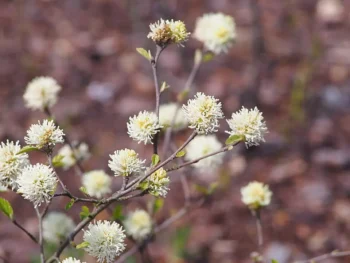
Dwarf witchalder is a compact, multi-stemmed shrub that typically grows to about 4 feet tall and wide. What really sets this plant apart is its timing – it’s one of the first shrubs to bloom in spring, producing clusters of fuzzy white flowers that look like tiny bottlebrushes. These honey-scented blooms appear before the leaves emerge, creating a cloud-like effect that’s absolutely enchanting.
But the show doesn’t stop there. Come fall, this unassuming shrub transforms into a blazing beacon of color, with foliage that shifts through shades of yellow, orange, and red. It’s like having your own personal fireworks display right in your garden.
Where Does Dwarf Witchalder Come From?
This native beauty calls the southeastern United States home, naturally occurring in Alabama, Florida, Georgia, North Carolina, and South Carolina. It’s perfectly adapted to the coastal plains and sandhills of these regions, thriving in the kind of conditions that many non-native plants struggle with.
- Species observed
- No observations
A Word About Conservation
Here’s something important to know: while dwarf witchalder isn’t endangered overall, it’s considered quite rare in Alabama (with an S1 status). If you’re planning to add this lovely shrub to your garden, please make sure you’re purchasing from reputable nurseries that source their plants responsibly. Never dig plants from the wild – besides being potentially illegal, it can harm already vulnerable populations.
Perfect Spots for Dwarf Witchalder
This versatile shrub fits beautifully into several garden styles:
- Woodland gardens where it can naturalize under taller trees
- Native plant gardens as a reliable, low-maintenance option
- Rain gardens, thanks to its tolerance for wet conditions
- Mixed shrub borders where it provides seasonal interest
- Foundation plantings for a more naturalistic look
Because dwarf witchalder is classified as a facultative wetland plant, it’s particularly happy in spots that stay moist but not waterlogged. Think of those areas in your yard that get soggy after rain but dry out between storms – perfect witchalder territory!
Growing Conditions That Make It Happy
The good news is that dwarf witchalder isn’t particularly demanding. Here’s what it prefers:
- Soil: Acidic conditions (pH 5.0-6.0) with medium to fine texture
- Moisture: Consistent moisture – it’s not drought tolerant
- Light: Partial shade works best, though it can handle some sun
- Climate: Hardy in USDA zones 5-8, with a minimum temperature tolerance of -8°F
This shrub has a moderate growth rate, so you won’t be waiting forever to see results, but you also won’t need to constantly prune it back. It’s fire-resistant too, which is a nice bonus for those in wildfire-prone areas.
Planting and Care Tips
Getting your dwarf witchazel established is pretty straightforward:
- Timing: Plant in spring or fall when temperatures are moderate
- Spacing: Allow 4-6 feet between plants for mature spread
- Soil prep: Improve heavy clay with organic matter, but avoid overly sandy soils
- Watering: Keep consistently moist, especially during the first year
- Fertilizing: Low fertility requirements – a light application of organic compost annually is plenty
Once established, this is truly a low-maintenance plant. It doesn’t need regular pruning, has good resprout ability if damaged, and generally keeps itself looking tidy.
Benefits for Wildlife and Pollinators
Those early spring flowers aren’t just pretty – they’re also valuable food sources for bees and other pollinators when not much else is blooming. The timing makes dwarf witchalder particularly important for supporting early-season pollinators as they emerge from winter.
Propagation Possibilities
If you want to expand your witchalder collection, you have several options. The plant can be grown from seed (though you’ll need patience – about 13,000 seeds per pound!), propagated from cuttings, or purchased as container plants or bare-root specimens. Seeds require cold stratification, so fall sowing works well for natural germination in spring.
The Bottom Line
Dwarf witchalder might not be the flashiest plant at the garden center, but it’s exactly the kind of reliable, beautiful native that makes gardening easier and more rewarding. With its fragrant spring blooms, stunning fall color, and minimal care requirements, it’s a perfect choice for gardeners who want to support native ecosystems while enjoying a truly lovely landscape plant.
Just remember to source your plants responsibly, especially if you’re gardening in Alabama where this species is particularly rare. With a little care in plant selection, you can enjoy this southeastern treasure while helping to preserve it for future generations.